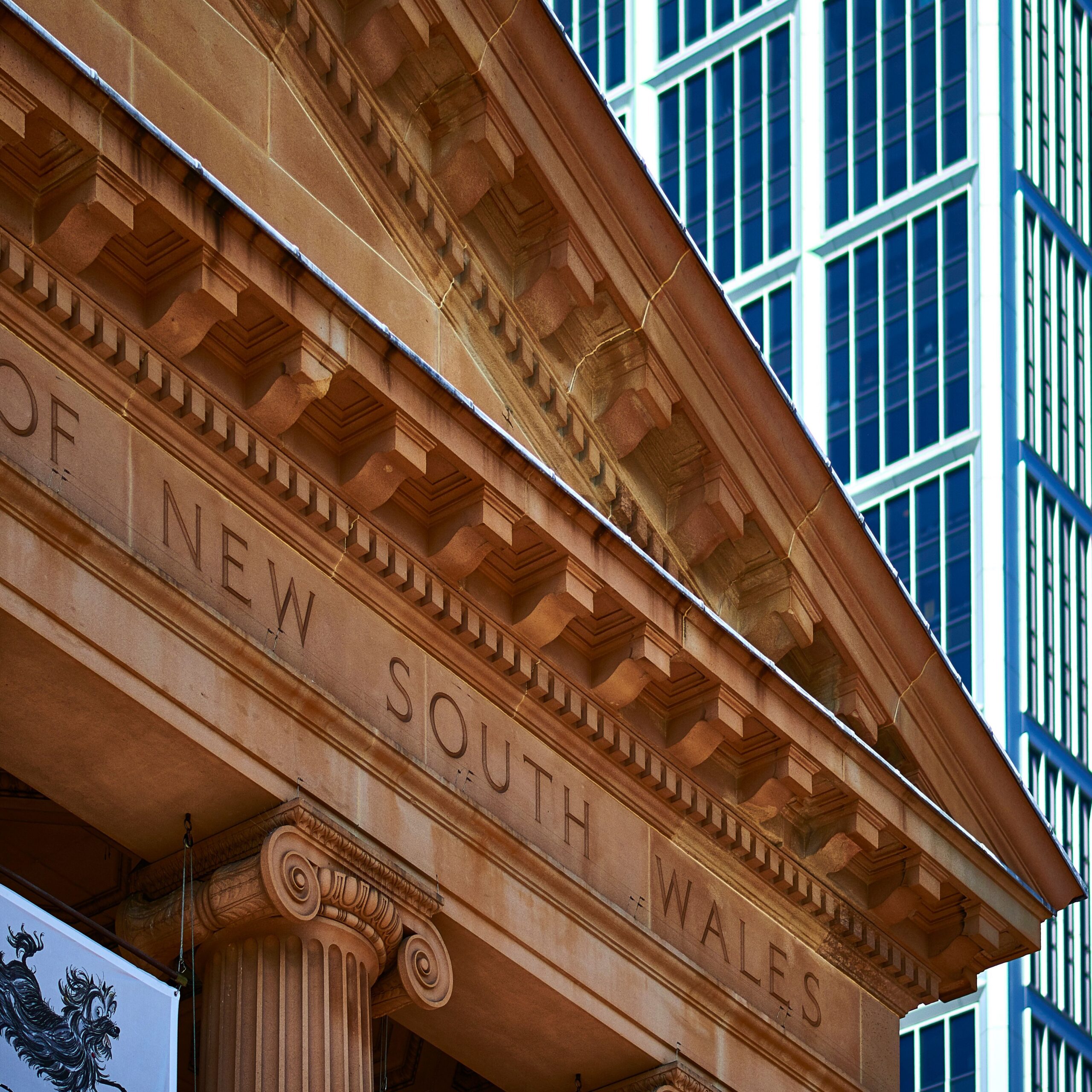
NSW Budget 2026: Cost of living relief ahead, but regions, renters, and businesses remain unconvinced
Isentia’s analysis of stakeholder reactions to the NSW Budget across 11 key sectors.
The 60-second summary
In his fourth budget, handed down on Tuesday, Treasurer Daniel Mookhey prioritised cost-of-living assistance for New South Wales residents.
In response to rising fuel prices and three interest rate increases, the government announced a $100 discount on car registration, a reduced toll cap, and frozen Opal fares. The budget also includes a record $10.3 billion commitment to health and a significant increase in funding for domestic violence services.
In reaction to the announcements, stakeholders responded with caution rather than celebration. Economic growth forecasts have been revised down to 1%. The budget has returned to deficit, and property tax revenue is declining.
Industry groups broadly described the budget as careful and responsible, while advocates for renters, farmers, the homeless and people with disabilities criticised the limited support. Groups representing the almost 3 million people who live in regional New South Wales – almost one-third of the state’s population – felt the budget fell short for the regions.
And with a state election approaching in early 2027, many stakeholders indicated they will continue to advocate for additional measures from the Minns government.
The numbers at a glance
Key figures highlighted by stakeholders:
$10.3 billion Health funding increase (4 yrs)
$561.4 million Transport Affordability Package
$100 Off private car registration
$50 Weekly toll cap (down from $60)
$184.1 million Domestic & family violence boost
$9.2 billion New & upgraded schools
$6.5 billion Electric buses (10 yrs)
$116.7 billion Total infrastructure pipeline
$2.3 billion 2026-27 deficit
1.0% Growth forecast (down from 2.5%)
Sector scorecards
Cost of living relief [Mixed]
The budget’s headline announcement is a 12-month, $561.4 million Transport Affordability Package, offering $100 off private car registration, a reduced weekly toll cap from $60 to $50, Opal fares frozen at 2025 prices, and the removal of toll administration fees.
Additionally, $557.1 million was committed to the Home Energy Saver scheme, continuing the interest-free loans for households to install energy-saving upgrades.
The New South Wales public sector is the largest employer in Australia, so a $1,000 bonus for 120,000 government workers was well received by the Public Service Association and for public servants living in Sydney. The bonus comes off the back of the announcement that Sydney’s CPI had exceeded 4 per cent since this time last year.
Australia’s peak industry association, the Australian Industry Group, described the cost-of-living measures as a sensible response, acknowledging current economic challenges, noting that the relief is intended to be temporary.
“Today’s NSW Budget treads carefully, given the challenging economic times ahead for the State’s economy.“
— Helen Waldron, NSW State Head, Australian Industry Group
Leading community services organisation Social Futures welcomed the support but cautioned that it is limited, noting that lower public transport fares and tolls primarily benefit urban areas, and that low-income households remain at risk.
And the Insurance Council of Australia expressed concern that the Emergency Services Levy continues to rise, with NSW households and businesses carrying the load, set to pay $1.5 billion this year.
Health and mental health [Mixed]
The NSW health sector received the largest commitments in this year’s budget, with a $10.3 billion increase over four years. This increase includes 9,000 additional health workers, and an $11.9 billion building program for 32 hospitals and 2,500 extra beds.
The industry group representing NSW general practitioners welcomed support for patient transitions out of hospital, funding for rural travel, and the Thriving Kids and ADHD initiatives.
“GPs can help to cure a healthcare system struggling under the burdens of an ageing population, an epidemic of chronic disease, and a growing need for mental health care.“
— Dr Rebekah Hoffman, RACGP NSW & ACT Chair
The doctors’ union was more guarded in its response, with the Australian Salaried Medical Officers Federation (ASMOF) welcoming the funding but stating it does not address the core issue of recruiting and retaining staff, as NSW continues to offer the lowest doctor salaries in Australia.
“Doctors, nurses and other health professionals have kept the public health system functioning under enormous pressure, but dedication is not a workforce plan.“
— Dr Nicholas Spooner, President, ASMOF NSW
The NSW branch of the Australian Medical Association took the criticism further, with NSW AMA claiming the government’s health funding has gone backwards in real terms, due to health inflation rising at 4.9 per cent.
“The NSW Government has promised 9,000 additional health workers, including paramedics, nurses and allied health staff, but there is no mention of doctors. That is a serious gap in today’s Budget.“
—Dr Fred Betros. President, AMA NSW
Mental health groups expressed concerns about their stakeholders being overlooked in this year’s budget. The Mental Health Coordinating Council welcomed crisis funding, but stated the budget relies too heavily on hospitals to deliver services.
“Mental health reform cannot rely primarily on hospitals and crisis responses.“
— Dr Evelyne Tadros, CEO, Mental Health Coordinating Council
NSW’s Network of Alcohol and Other Drugs Agencies (NADA) also criticised the government for not addressing priorities from the 2024 Drug Summit, leaving over 100,000 people waiting for treatment.
Housing, property and homelessness [Negative]
Housing was the most challenged area in the budget announcement. The government highlighted planning reforms, an expanded Pre-Sale Finance Guarantee, and funding for Modern Methods of Construction.
Community housing group, Faith Housing and the Planning Institute of Australia viewed these as positive steps. However, the Urban Development Institute raised concern over an $8 billion reduction in property tax revenue.
“The lack of direct investments in supply-side initiatives in this Budget will make it harder for us to turn around the housing crisis.“
— Stuart Ayres, CEO, UDIA NSW
The peak body for property developers in Australia, Urban Taskforce described the budget as a missed opportunity to increase housing supply, and the Property Council warned that additional federal tax changes could further reduce the number of new homes.
Homelessness and tenant advocates were more critical. Homelessness NSW described the housing package as insufficient, and the Tenants’ Union noted that the government holds $2.5 billion in renters’ bonds, forgoing up to $200 million annually in interest.
“We should not let the pursuit of budget savings punish the state’s most vulnerable people by putting off meaningful investment in housing and homelessness.“
— Amy Hains, A/CEO, Homelessness NSW
The Retirement Living Council welcomed the removal of foreign surcharge duty on large retirement village projects, describing retirement living as essential infrastructure.
Domestic violence and social services [Positive]
A $184.1 million increase put forward by the government would raise funding by 50% across six frontline domestic and family violence programs, marking the largest core funding boost for the sector in over a decade.
The Male Family Violence Prevention Association, or “No to Violence”, had advocated for this change, and welcomed the recognition of programs directly addressing men who use violence.
“Men’s Behaviour Change Programs play a vital role in stopping violence at the source.“
— Phillip Ripper, CEO, No to Violence
The NSW Council of Social Service (NCOSS), NSW’s peak social services body, responded to the announcements positively. They welcomed funding for award wage increases for community workers and enhanced patient travel support, while advocating for increased investment in preventative measures.
“This Budget lays the groundwork for deeper investment in people and communities.“
— Cara Varian, CEO, NCOSS
Community groups like Uniting NSW.ACT and Social Futures agreed, stating the budget missed an opportunity to invest in early support to prevent families from reaching crisis.
Infrastructure and construction [Mixed]
While the government highlighted a $116.7 billion infrastructure pipeline, industry stakeholders pointed to a downward trend. Infrastructure Partnerships Australia reported a $1.1 billion reduction in infrastructure funding, but characterised this as a deliberate measure, rather than neglect.
“The Budget isn’t flash, it doesn’t hand out treats like confetti, but it does deliver a sizeable serving of sensible government.“
— Adrian Dwyer, CEO, Infrastructure Partnerships Australia
Construction industry groups expressed concern, with the NSW Civil Contractors Federation (CCF NSW) warning that without a consistent pipeline, skilled workers may relocate interstate and become costly to attract back.
“This State Budget reflects an underwhelming level of infrastructure investment relative to the scale of NSW’s growth needs.“
— Kylie Yates, CEO, CCF NSW
The NSW Master Builders Association and the Housing Industry Association were more optimistic, noting increased housing approvals and welcoming the emphasis on prefabrication and materials supply.
Business and industry [Mixed]
Business groups acknowledged the Treasurer’s fiscal discipline but noted a lack of direct support.
Business NSW welcomed the $4.1 billion workers’ compensation premium freeze for employers but highlighted the absence of a payroll tax cut and no changes to the Emergency Services Levy.
“The Government is expecting to collect an additional $1 billion in payroll tax – or about $25,000 per eligible business – pushing more of the tax burden onto employers at a time they can least afford it.“
— Daniel Hunter, CEO, Business NSW
Unions NSW viewed the budget differently, describing the end of the wage cap and the return of hospitals and prisons to public management as positive outcomes for workers.
“We are seeing the dividend of a government that understands the value of essential workers.“
— Mark Morey, Secretary, Unions NSW
Regional NSW and agriculture [Negative]
Perhaps the strongest criticism on budget night came from regional stakeholders across the state. The Country Women’s Association of NSW stated the budget prioritised those living in Sydney, with significant funding for Western Sydney hospitals, schools, and transport, while regional roads, maternity services, and mobile coverage were not addressed.
“Billions for Western Sydney. Crumbs for the bush. The Budget does not lie.“
— Tanya Jolly, State President, CWA of NSW
NSW Farmers also criticised the budget, stating it was repeating previous announcements and not in support of the sector’s goal of reaching a $30 billion industry by 2030. Both groups indicated they will make regional NSW a key campaign platform ahead of the 2027election.
“Producers are facing generational challenges and what we’ve seen today is a recycled response that does nothing to address the issues that matter most.“
— Xavier Martin, President, NSW Farmers
Education and early learning [Mixed]
The budget included education commitments of $9.2 billion, including over 260 new and upgraded schools, with a quarter of the funding to be directed to regional areas.
Education workers unions welcomed the move to make tens of thousands of teaching positions permanent. However, the early learning sector received no immediate funding boost, noted by the Independent Education Union. They cited the absence of promised support for community preschools, although an announcement is expected soon.
“It’s time for wages that properly value the work of community preschool staff.“
— Carol Matthews, Branch Secretary, IEUA NSW/ACT
Energy, environment and transport [Positive]
The budget outlined $6.5 billion over ten years to build electric buses and depots in NSW, a measure supported by unions for supporting local manufacturing.
The continuation of funding to households looking to make energy savings was mostly well received, with $557.1 million promised for the Home Energy Saver program.
Further to this, the budget looks to unlock up to $77 billion in private investment through the Electricity Infrastructure Roadmap. Master Builders of NSW emphasised the benefits of the funding, creating regional construction jobs with the rollout of renewable energy projects.
Legal and justice [Negative]
The NSW Police were promised funding across a range of initiatives in a challenging period for law and order in the state. In reaction to the funding announcements, the Police Association of NSW (PANSW) welcomed the $108.8 million investment targeting digital infrastructure and crime-fighting technology. However, the union pushed for more workplace reform and funding for front-line resources.
To the contrary, the legal sector expressed dismay about being excluded from infrastructure spending. The Law Society of NSW stated the legal profession was overlooked in the budget’s building program, with no funding for key asks such as safe rooms for victims or digital court upgrades.
“Our members will be disappointed that the court system was allocated a meagre share of the $116.7 billion in state infrastructure investments through to 2030.“
— Ronan MacSweeney, President, Law Society of NSW
Community Legal Centres NSW further noted that $3.5 million promised under a national agreement for community legal practice a year ago remains unfunded.
“People cannot pay their rent with promises, and community legal centres cannot deliver services with funding that has never arrived.“
— Sarah Marland, Executive Director, Community Legal Centres NSW
Mining and resources [Positive]
The resources sector responded positively, highlighting in statements that mining royalties are projected to reach $3.4 billion next year. The Association of Mining and Exploration Companies (AMEC) welcomed the continuation of the Critical Minerals Royalty Deferral Scheme and progress on land access reform, while emphasising the need for faster project approvals.
“There’s no better way to improve productivity than approving projects quicker.“
— Warren Pearce, CEO, AMEC
The NSW Minerals Council had a similar sentiment but took the opportunity to criticise the federal government for recent inflation and interest rate hikes and proposed changes to capital gains tax and negative gearing. They pointed to the claim that the NSW budget will now lose at least $8.4 billion in foregone property-related taxation revenues, and that mining royalties will need to help cover that gap.
The winners and losers
Stakeholders point to the positives and negatives out of this year’s Budget.
WINNERS
LOSERS
Nurses, midwives and essential public workers — the wage cap is gone, with pay rises of 16–28% over three years and a $1,000 cost-of-living payment for 120,000 staff.
Drivers and commuters — $100 off rego, a $50 weekly toll cap, frozen Opal fares and scrapped toll admin fees.
Women and children escaping violence — a 50% funding lift across six frontline domestic violence programs.
First home buyers — average savings of $20,400, with about 30,000 more expected to benefit next year.
Hospital patients — $11.9 billion to build 32 new and upgraded hospitals and 2,500 extra beds.
Older people downsizing — foreign surcharge duty waived on large retirement village and build-to-rent projects.
Local bus manufacturing — $6.5 billion to build electric buses and depots in NSW.
Renters — the government forgoes up to $200 million a year in interest on $2.5 billion of held bonds.
People sleeping rough — homelessness advocates call the $224 million housing package “crumbs”.
Young people without a home — no new investment in specialist homelessness services since 2012.
Farmers and the bush — no new transformational funding; “billions for Western Sydney, crumbs for the bush.”
Businesses — no payroll tax or Emergency Services Levy relief, with payroll taking up about $1 billion.
Insurance holders — the Emergency Services Levy is forecast to raise $1.5 billion, up 66% over five years.
Drug and alcohol services — the 2024 Drug Summit priorities go unfunded as 100,000 people wait for treatment.
Community legal centres — $3–3.5 million promised a year ago, still undistributed.
What this means for communicators
This budget is defensive in nature, presented as a relief budget to the people of New South Wales. With growth slowing, inflation continuing to rise, and an election approaching in March 2027, the government is prioritising measures that directly impact voters, such as everyday costs for fuel, tolls, fares, and power bills, over large new projects.
Cost-of-living measures, health funding, and domestic violence spending are expected to be central to the government’s messaging in the coming days and weeks.
A clear pattern in stakeholder reactions is the divide between metropolitan and regional interests. Regional groups, including the CWA, NSW Farmers, and rural health and legal groups have consistently expressed concerns about being overlooked, and have noted Sydney projects receiving significant funding. This regional grievance is likely to become a prominent narrative in the lead-up to the election.
Housing remains another hot issue for the government. Industry representatives warn that housing supply is stagnating and the tax base is shrinking, while homelessness and tenant advocates argue that vulnerable groups are being overlooked.
With both ends of the spectrum – from developers to welfare organisations – claiming ongoing dissatisfaction, housing will be a persistent challenge for the Minns government.
The opposition has characterised the budget as evidence that NSW is regressing, suggesting that housing, regional services, and business costs will shape the election debate as we head into 2027. A clear understanding of audience groups and what drives them will be key to success for any government in such uncertain times.
For real-time monitoring of the budget reactions and the journey to the 2027 state election, register here and we’ll reach out to you.
Nikita Gundala manages brand marketing and thought leadership for Pulsar Group across the SEA and ANZ markets. With over three years of first-hand experience in the influencer marketing and PR industries, she specializes in translating real-time insights and audience intelligence into actionable content. Nikita holds a master’s in Marketing and Digital from ESSEC Business School, Singapore. She has contributed to the wider industry conversation by co-authoring articles and reports for The Business Times Marketing Interactive.
A weekly tracker tracing the stories, figures and policies driving media and social coverage in the 2026 New Zealand General Election across Online News, TV, Radio, Newspaper, Magazine, X, Facebook, Instagram, TikTok, Threads and Forums. This edition covers conversations and coverage from 15th - 21st October, highlighting what’s shaping the election conversation.
1. Election Conversation
10,572
total mentions this week
2,842 media7,730 social
Media = news coverage. Social = all public posts across X, Facebook, Instagram, TikTok and Threads - everyone posting, not just media outlets.
2. Media Issue of the Week
Opportunity Party Puts the Kingmaker Question at the Centre of the Campaign
Opportunity (TOP)271 media items · 325 social posts
The Opportunity Party, led by Qiulae Wong, was the most covered new story in the news this week. It polled 8% in the 1News Verian poll on 13 October and 5.4% in the Post/Freshwater poll on 19 October, just above the 5% needed to enter Parliament. With National and Labour close together, outlets described it as a possible kingmaker. Christopher Luxon ruled out working with the party at the Herald leaders' debate, then told West Coast voters he would work with "whoever I have to", and campaign chair Simeon Brown ruled it out again. David Seymour said ACT would consider a four-party arrangement that includes Opportunity. Later in the week the focus turned to the party itself, with former board members describing internal problems and Wong saying the party's rules need another look.
News outlets ran 271 items on the party or the kingmaker question in the headline or summary (9.5% of the 2,842 election items), and it was mentioned somewhere in 724 (25.5%). Coverage was highest on 15 October, after Luxon's West Coast comments, Brown's response and Seymour's remarks, and again on 20 and 21 October, with new poll results, the former board members' claims and Wong's comments on coalition deals.
It matters because it affects who can form a government. The Post projected that Opportunity's seven MPs could give either a Labour-led bloc a narrow 61-seat majority or a National-led bloc 66 seats, so every party has had to say whether it would work with Opportunity. On social media it was a smaller conversation, with 325 posts (4.2%), and those posts were less negative than average (44.4% negative against 53.0% overall). The story is about coalition options rather than a policy position, so it is not linked to a party issue below.
3. What's happening across media and social?
2,842 media items · 7,730 social items · share of each channel's own conversation, so the two bars are directly comparable
"Social" is all public posts across X, Facebook, Instagram, TikTok and Threads - not just media organisations' own accounts.
MediaSocial
Issues
Cost of Living
Media
13.9%
Social
18%
Law & Order
Media
9.1%
Social
22.1%
Economy & Jobs
Media
16.5%
Social
12.5%
Health
Media
11.8%
Social
11.9%
Infrastructure & Transport
Media
10.1%
Social
4.1%
Parties
National
Media
25.8%
Social
21%
Labour
Media
23.5%
Social
17.8%
NZ First
Media
12.7%
Social
19.6%
Greens
Media
13.7%
Social
18.2%
ACT
Media
9.9%
Social
14.1%
Most frequent bylines and presenters: The most frequent bylines and presenters this week were Sean Plunket (The Platform), Ryan Bridge (Three), Henry Cooke (Waikato Times) and John MacDonald (Newstalk ZB).
Widest-reach accounts: The accounts with the widest reach among election posts were news outlets: the New Zealand Herald, 1News, Radio Tarana, RNZ and Stuff, along with the New Zealand Labour Party account. Party leaders' own accounts posted often but have smaller followings.
Law and order made up 22.1% of the issues discussed on social media but 9.1% in the news, about 2.4 times as much. Part of the gap is the continuing reaction to the Greens' and Te Pāti Māori's visit to a Mongrel Mob event, last week's Media Issue of the Week: 137 of the 791 law and order posts mention it. Across all social posts the visit came up in 291 (3.8%), 70.5% of them negative, and in 257 news items (9.0%).
The Opportunity Party shows the gap the other way round. It was in the headline or summary of 9.5% of news items but only 4.2% of social posts, about 2.3 times as much attention in the news. Among the parties, NZ First, the Greens and ACT had a bigger share of social mentions than news mentions (NZ First 19.6% against 12.7%, Greens 18.2% against 13.7%, ACT 14.1% against 9.9%), while National and Labour had a bigger share in the news (National 25.8% against 21.0%, Labour 23.5% against 17.8%).
4. Party Share of Conversation
1. National23.2%
2. Labour20.4%
3. NZ First16.5%
4. Greens16.2%
5. ACT12.2%
6. Te Pāti Māori6.5%
7. Opportunity (TOP)5%
Shown for seven parties, including Te Pāti Māori and the Opportunity Party (TOP), which is this week's Media Issue of the Week. Shares add up to 100% of the seven shown. Share of conversation measures attention, not polling, and is not a sign of electoral success.
5. Top candidates this week
1. Christopher Luxon1,614
2. Chris Hipkins1,611
3. Winston Peters1,133
4. David Seymour840
5. Chloe Swarbrick412
Christopher Luxon (1,614 mentions) and Chris Hipkins (1,611) were level at the top. Both were at the centre of the final leaders' debate on 20 October and the questions about working with Opportunity, and each party announced new policy during the week.
Winston Peters (1,133) was third and was mentioned far more on social media (726) than in the news (407). The most shared posts about him covered his comments on diversity, his message to David Seymour on strategic voting and his public meetings. David Seymour (840) drew attention for saying ACT could work with Opportunity.
Chloe Swarbrick (412) was in the news more than on social media (227 against 185), with coverage of the Greens' plan to reverse public service cuts and the Mongrel Mob visit. Mentions measure how much someone is being talked about, not how they are polling.
6. Election Issues
Top 4 themes this week
Cost of Living1,621
Economy & Jobs1,605
Law & Order1,430
Health1,252
What's driving conversation about each party?
Each party's top issues this week in social conversation, ranked by how much they were discussed
National
1Health
2Jobs
3Cost of living
Labour
1Health
2Education
3Cost of living
Greens
1Cost of living
2Law and order
3Training wage
ACT
1GP access
2Cost of living
Issues are ranked from social posts. Counts are not shown because the numbers for a single party and issue are small.
7. Issues to Watch
The coalition question around the Opportunity Party is likely to stay in the news until election day. Luxon has given two different answers on working with the party, and polls this month have put it between 4.8% and 8%, so a small shift in support could change which parties can form a government. The party's internal problems are also now in the spotlight.
Voter enrolment is becoming a political issue ahead of the 25 October deadline. New rules mean people cannot enrol at the polling booth, and 112 news items this week covered enrolment or the electoral roll, many focused on young and first-time voters. The number enrolled when the roll closes will show whether these concerns made a difference.
Social conversation leaned negative this week: 53.0% of posts with a clear tone were negative, 32.6% neutral and 14.4% positive. Cost of living is a top issue for four parties (National, Labour, Greens and ACT). Health is a top issue for two parties (National and Labour). Issues that matter to several parties are the ones most likely to keep shaping the campaign.
If you want to find out more about how Isentia can help you understand the NZ media landscape, please reach out to us here.
"
["post_title"]=>
string(97) "NZ Election 2026: TOP as Kingmaker, Law & Order Surge on Social, and Minor Parties Gaining Ground"
["post_excerpt"]=>
string(152) "Analysis of the latest NZ Election 2026 media tracker: The Opportunity Party's kingmaker potential, Law & Order social trends, and minor party momentum."
["post_status"]=>
string(7) "publish"
["comment_status"]=>
string(4) "open"
["ping_status"]=>
string(4) "open"
["post_password"]=>
string(0) ""
["post_name"]=>
string(92) "nz-election-2026-top-as-kingmaker-law-order-surge-on-social-and-minor-parties-gaining-ground"
["to_ping"]=>
string(0) ""
["pinged"]=>
string(0) ""
["post_modified"]=>
string(19) "2026-10-23 01:20:50"
["post_modified_gmt"]=>
string(19) "2026-10-23 01:20:50"
["post_content_filtered"]=>
string(0) ""
["post_parent"]=>
int(0)
["guid"]=>
string(32) "https://www.isentia.com/?p=50575"
["menu_order"]=>
int(0)
["post_type"]=>
string(4) "post"
["post_mime_type"]=>
string(0) ""
["comment_count"]=>
string(1) "0"
["filter"]=>
string(3) "raw"
}
Blog
NZ Election 2026: TOP as Kingmaker, Law & Order Surge on Social, and Minor Parties Gaining Ground
Analysis of the latest NZ Election 2026 media tracker: The Opportunity Party’s kingmaker potential, Law & Order social trends, and minor party momentum.
A weekly tracker tracing the stories, figures and policies driving media and social coverage in the 2026 New Zealand General Election across Online News, TV, Radio, Newspaper, Magazine, X, Facebook, Instagram, TikTok, Threads and Forums. This edition covers conversations and coverage from 8th - 15th October, highlighting what’s shaping the election conversation.
1. Election Conversation
18,417
total mentions this week
4,479 media13,938 social
Media = news coverage. Social = all public posts across X, Facebook, Instagram, TikTok, Threads and Forums - everyone posting, not just media outlets.
2. Media Issue of the Week
Green and Te Pāti Māori MPs Draw Criticism Over Meeting With Mongrel Mob Members
Greens / Te Pāti Māori112 media items · 116 social posts
Candidates and sitting MPs from the Green Party and Te Pāti Māori attended a meeting with Mongrel Mob members at a gang address. When photographs from the meeting were shared on social media, the response from commentators and rival parties was swift and largely critical.
This was not the week's highest-volume story, accounting for only 112 of 4,479 media items (2.5%, after filtering out unrelated international content) and 116 of 13,938 unique social posts (0.8%, after collapsing retweet/repost duplicates down to one count per message), well below the volume generated by ongoing leaders' debate coverage, which totalled 1,125 media items. Two independent methods nonetheless support treating it as a genuine, separable story: an exact keyword count aligns closely with an unsupervised clustering analysis of the entire media population, which identified it as a distinct 47-item cluster - smaller than general campaign coverage and several specific policy announcements, but clearly distinguishable from them. What sets the story apart is the intensity of the reaction rather than its scale: 72% of social commentary on the topic was negative, the most one-sided sentiment recorded for any subject this week, and the average post attracted roughly 5.7 times the typical level of engagement. Taken together, these figures point to a genuine public reaction concentrated on social platforms, and the episode provides National and ACT with a law-and-order narrative that may continue into coming weeks. It has not been linked to a tracked party policy below, as it reflects a matter of conduct rather than a policy position.
3. What's happening across media and social?
4,479 media items · 13,938 social items · share of each channel's own conversation, so the two bars are directly comparable
"Social" is all public posts across X, Facebook, Instagram, TikTok, Threads and Forums - not just media organisations' own accounts.
MediaSocial
Issues
Cost of Living
Media
15.8%
Social
22.7%
Economy & Jobs
Media
19.4%
Social
17.5%
Health
Media
11.7%
Social
9.9%
Infrastructure & Transport
Media
11.4%
Social
5.2%
Law & Order
Media
5.3%
Social
10.6%
Parties
National
Media
30.9%
Social
27.5%
Labour
Media
25.3%
Social
21.6%
NZ First
Media
14.7%
Social
21.5%
Greens
Media
14.1%
Social
20.4%
ACT
Media
6.8%
Social
6.4%
The most active commentary this week came from Sean Plunket, the Chris Chang and Tova O'Brien pairing, and John MacDonald.
By follower reach, the most prominent social accounts posting about the election this week were major outlets' own accounts - the New Zealand Herald, 1News, RNZ, Stuff and Radio Tarana - alongside the official Labour Party account. Individual leaders' personal accounts posted actively but with smaller followings than these outlet and party accounts.
The Greens continue to receive disproportionately greater attention on social media relative to traditional news coverage, accounting for 20.4% of social party conversation compared with 14.1% in media coverage - roughly 1.4 times the media share.
Law and order shows a similarly pronounced gap between channels this week, accounting for 10.6% of social conversation compared with 5.3% in the news. This is consistent with the public reaction to the Mongrel Mob meeting, which appears to have generated considerably sharper engagement on social platforms than mainstream coverage volume alone would suggest.
4. Party Share of Conversation
1. National33.1%
2. Labour26.6%
3. NZ First20.6%
4. Greens19.7%
Shown for the four largest parliamentary parties (National, Labour, Greens, NZ First); ACT, Te Pāti Māori and TOP are tracked elsewhere in this report but not included in this chart, so these shares sum to 100% of the four shown, not of all tracked parties. Share of conversation measures attention and mentions only - it is not polling and should not be read as an indication of electoral success.
5. Top candidates this week
1. Winston Peters1,931
2. Christopher Luxon1,631
3. Chris Hipkins1,466
4. David Seymour916
5. Chloe Swarbrick561
Winston Peters leads the rankings this week, a shift driven primarily by a widely circulated moment in the minor-party leaders' debate in which he described diversity as "a weakness rather than a strength" while delivering a pointed critique of the left-leaning bloc. Christopher Luxon and Chris Hipkins follow closely behind as the campaign moves into its final weeks, while David Seymour and Chloe Swarbrick complete the top five, each drawing attention largely through their parties' own policy announcements this week.
6. Election Issues
Top 4 themes this week
Economy & Jobs3,014
Cost of Living2,901
Health1,789
Infrastructure & Transport1,508
What's driving conversation about each party?
Each major party's top-ranked issues this week, by real topic volume in their social conversation (after excluding other parties' names, individual people, and procedural or horse-race chatter), with how that conversation leaned
NegativeNeutralPositive
National
Cost of living · 86 items
Neg 46.5%Neu 31.4%Pos 22.1%
Tax reform · 34 items
Neg 44.1%Neu 52.9%Pos 2.9%
Fiscal plan · 42 items
Neg 38.1%Neu 57.1%Pos 4.8%
Labour
Cost of living · 88 items
Neg 30.7%Neu 36.4%Pos 33%
Fiscal plan · 47 items
Neg 55.3%Neu 34%Pos 10.6%
Economy · 70 items
Neg 34.3%Neu 48.6%Pos 17.1%
Greens
Wealth tax · 41 items
Neg 53.7%Neu 34.1%Pos 12.2%
Cost of living · 43 items
Neg 27.9%Neu 41.9%Pos 30.2%
Jobs · 112 items
Neg 34.8%Neu 33.9%Pos 31.2%
ACT
Fiscal plan · 24 items
Neg 50%Neu 37.5%Pos 12.5%
Volume and sentiment above are based on social media data only.
7. Issues to Watch
The meeting between Green and Te Pāti Māori representatives and Mongrel Mob members represents a reputational risk for both parties heading into the final weeks of the campaign. Whether National and ACT are able to sustain this as a law-and-order narrative through to the 7 November election is worth monitoring closely.
Labour's fiscal plan issue recorded the most negative social sentiment of any tracked policy this week, at 55.3% negative, followed by Greens' wealth tax at 53.7% and ACT's fiscal plan at 50.0%. All three touch on tax, spending or fiscal policy specifically, suggesting the fiscal debate is where social sentiment is running most negative across the board this week, rather than any one party facing an isolated problem.
Social media discussion of the Greens continues to centre on polling performance and tactical voting considerations rather than policy substance. Coalition and tactical-voting framing accounts for 12.7% of their social conversation this week, compared with just 2.2% focused specifically on their wealth tax proposal - a pattern that has now held for three consecutive weeks. Whether that balance shifts as the campaign enters its final stretch would be worth tracking.
If you want to find out more about how Isentia can help you understand the NZ media landscape, please reach out to us here.
"
["post_title"]=>
string(83) "NZ Election 2026: Mongrel Mob Controversy, Fiscal Policy and Greens on social media"
["post_excerpt"]=>
string(156) "Explore New Zealand’s 2026 election conversation, from the Mongrel Mob meeting controversy and law and order to reactions to Labour’s capital gains tax."
["post_status"]=>
string(7) "publish"
["comment_status"]=>
string(4) "open"
["ping_status"]=>
string(4) "open"
["post_password"]=>
string(0) ""
["post_name"]=>
string(49) "nz-election-2026-mongrel-mob-fiscal-policy-greens"
["to_ping"]=>
string(0) ""
["pinged"]=>
string(0) ""
["post_modified"]=>
string(19) "2026-10-19 01:20:22"
["post_modified_gmt"]=>
string(19) "2026-10-19 01:20:22"
["post_content_filtered"]=>
string(0) ""
["post_parent"]=>
int(0)
["guid"]=>
string(32) "https://www.isentia.com/?p=50464"
["menu_order"]=>
int(0)
["post_type"]=>
string(4) "post"
["post_mime_type"]=>
string(0) ""
["comment_count"]=>
string(1) "0"
["filter"]=>
string(3) "raw"
}
Blog
NZ Election 2026: Mongrel Mob Controversy, Fiscal Policy and Greens on social media
Explore New Zealand’s 2026 election conversation, from the Mongrel Mob meeting controversy and law and order to reactions to Labour’s capital gains tax.
A weekly tracker tracing the stories, figures and policies driving media and social coverage in the 2026 New Zealand General Election across Online News, TV, Radio, Newspaper, Magazine, X, Facebook, Instagram, TikTok, Threads and Forums. This edition covers conversations and coverage from 1st – 8th October, highlighting what’s shaping the election conversation.
1. Election Conversation
21,637
total mentions this week
4,360 media17,277 social
2. Media Issue of the Week
National Proposes Drug Testing and Benefit Cuts for Jobseekers
National29 media items
National announced a five-point welfare policy: random drug testing for JobSeeker recipients (with sanctions for repeat failures), reduced payments for long-term beneficiaries, and a doubled stand-down period for repeatedly leaving jobs without good reason. Labour and the Greens called it "punching down" and "cruel"; ACT proposed going even further; Luxon defended it as "fairness" for taxpayers.
The single largest media cluster this week (183 of 600 sampled items) was generic "campaigning intensifies as election day nears" coverage. This welfare policy, while smaller by volume (29 items), is a genuine flashpoint: a specific, controversial announcement that sharply divided every major party and will likely keep generating reaction into next week.
3. What's happening across media and social?
4,360 media items · 17,277 social items · share of each channel's own conversation, so the two bars are directly comparable
MediaSocial
Issues
Cost of Living
Media
15.8%
Social
24.5%
Economy & Jobs
Media
19.4%
Social
13.4%
Housing
Media
10.5%
Social
7.7%
Health
Media
8.5%
Social
9.3%
Infrastructure & Transport
Media
9.8%
Social
7.1%
Education
Media
8.2%
Social
8%
Parties
National
Media
25.5%
Social
31.3%
Labour
Media
18.9%
Social
25.9%
NZ First
Media
18.3%
Social
17.2%
Greens
Media
10.3%
Social
20.8%
ACT
Media
11%
Social
3.9%
The Greens get more than twice the relative attention on social media as in the news. On social, the Greens are 20.8% of party conversation; in the news, they're 10.3%.
Health is a top-four issue on social but not in the news this week - Infrastructure takes its place in media's top four instead. Social conversation is tilting toward the health system while media coverage stays on economy, cost of living and infrastructure announcements.
4. Party Share of Conversation
1. National33.7%
2. Labour26.7%
3. NZ First20.7%
4. Greens18.9%
Share of conversation measures attention and mentions only - it is not polling and should not be read as an indication of electoral success.
5. Top candidates this week
1. Christopher Luxon2,301
2. Chris Hipkins2,058
3. Winston Peters1,446
4. David Seymour757
5. Chloe Swarbrick609
Luxon and Hipkins remain close at the top as the campaign enters its final stretch. Peters follows, still driven by coalition speculation. Seymour moves up to fourth on the back of ACT's economic-reform push (including floating a higher superannuation age), overtaking Swarbrick, whose fifth-place mentions continue to track the Greens' polling strength.
6. Election Issues
Top 4 themes this week
Cost of Living3,584
Economy & Jobs3,359
Housing1,846
Infrastructure & Transport1,709
How are policies landing for each party?
Each major party's most prominent specific policy, and how social conversation reacted to it
NegativeNeutralPositive
National
Infrastructure investment · 53 items
Neg 42.3%Neu 36.5%Pos 21.2%
Labour
Capital gains tax (incl. farms) · 70 items
Neg 85.5%Neu 14.5%Pos 0%
Greens
Wealth tax · 67 items
Neg 17.9%Neu 65.7%Pos 16.4%
ACT
KiwiSaver tax removal · 23 items
Neg 4.3%Neu 4.3%Pos 91.3%
Volume and sentiment above are based on social media data only.
7. Issues to Watch
National's welfare drug-testing policy is a fresh, sharply divisive flashpoint - the "punching down" framing from Labour and the Greens, and ACT signalling it wants to go further still, both point to more reaction next week.
Labour's capital gains tax remains the week's clearest negative outlier (85.5% negative on social). National's own infrastructure pledge is also net-negative this week (42.3% vs 21.2% positive), despite infrastructure announcements usually landing on safer ground than tax policy. ACT's KiwiSaver policy, by contrast, remains clearly positive (91.3%).
On social, discussion of the Greens is mostly about polling results and tactical voting rather than their own policy: 14% of their social conversation is coalition/tactical-voting framing (which bloc to "party vote" for), versus just 2% specifically about their wealth tax policy - their polling surge is driving attention more than their platform is.
If you want to find out more about how Isentia can help you understand the NZ media landscape, please reach out to us here.
"
["post_title"]=>
string(71) "NZ Election 2026: Welfare, Greens and the policies driving conversation"
["post_excerpt"]=>
string(152) "What’s shaping New Zealand’s 2026 election conversation? Explore the key policies, parties and issues driving media and social discussion this week."
["post_status"]=>
string(7) "publish"
["comment_status"]=>
string(4) "open"
["ping_status"]=>
string(4) "open"
["post_password"]=>
string(0) ""
["post_name"]=>
string(69) "nz-election-2026-welfare-greens-and-the-policies-driving-conversation"
["to_ping"]=>
string(0) ""
["pinged"]=>
string(0) ""
["post_modified"]=>
string(19) "2026-10-19 07:37:01"
["post_modified_gmt"]=>
string(19) "2026-10-19 07:37:01"
["post_content_filtered"]=>
string(0) ""
["post_parent"]=>
int(0)
["guid"]=>
string(32) "https://www.isentia.com/?p=50341"
["menu_order"]=>
int(0)
["post_type"]=>
string(4) "post"
["post_mime_type"]=>
string(0) ""
["comment_count"]=>
string(1) "0"
["filter"]=>
string(3) "raw"
}
Blog
NZ Election 2026: Welfare, Greens and the policies driving conversation
What’s shaping New Zealand’s 2026 election conversation? Explore the key policies, parties and issues driving media and social discussion this week.