R U OK? is a public health campaign founded in Australia, focusing on creating a world where we’re all connected and protected from suicide. Their mission is to inspire and empower people to meaningfully connect with those in their world and lend support when they are struggling with life.
R U OK? focuses on building the motivation, confidence, and skills of the help-giver—the person who can have a meaningful conversation with someone who is struggling with life. R U OK? encourage four steps to have a meaningful conversation:
1. Ask R U OK?
2. Listen
3. Encourage action
4. Check in
R U OK? have a host of free resources to help you ask, ‘are you OK?’ and lend support to the people in your world every day of the year. Because when we genuinely ask, ‘are you OK?’, and are prepared to talk to them about how they’re feeling and what’s going on in their life, we can help someone who might be struggling to feel connected and supported long before they’re in crisis.
The annual R U OK? Day campaign is their National Day of Action, where people are reminded that every day is the day to start a meaningful conversation that could change a life.
To assess their impact and gauge progress towards their goal of behavioural change, R U OK? sought to evaluate the effectiveness of their campaign messaging, ambassadors, and public discourse in their communities. Additionally, they wanted to understand the main narrative in these communities to shape their future campaign themes and strategies.
Our approach
Through a number of different datasets, Isentia provided the organisation with comprehensive insight into its campaign messaging as well as the volume and quality of media reporting on R U OK? This valuable information was obtained through Isentia’s Media Analysis reports shedding light on common themes, trends, and messages associated with R U OK? through media coverage.
“We know Isentia are trusted friends. We know we can come to the team with any ideas or queries and be provided with a great solution. Our long term partnership has allowed us to go on this journey together, seeing such change in the Australian landscape for health and suicide prevention.
Isentia’s reports have helped us (and continue to) understand the impact of our coverage and the reach of our campaign messaging, and that every day is the day to ask, are you OK?”
Katherine Newton, R U OK? CEO
The analysis revealed the following:
– Message penetration in the media
– Impact of ambassadors and spokespeople
– Campaign effectiveness in raising awareness and encouraging meaningful conversations
– Measurement of media coverage quality and tone for R U OK?
– Insights into community, workplace and school engagement with R U OK? and the types of positively received content.
Outcome
Isentia’s support to R U OK? has helped them measure their campaign impact consistently over time.
Our analysis quantified the success of R U OK? in reducing negative portrayals of suicide and stigma in the media and R U OK? events. With an impressive 87% national brand awareness and a 25% participation rate, it highlights the positive and supportive behaviour that emerges when individuals actively engage in these conversations.
Media coverage, including increased editorial attention, has effectively promoted R U OK?, raising awareness and fostering an important culture around meaningful conversations.
The organisation’s brand mentions, advertising space rate (ASR), and cumulative audience figures have consistently increased each year, also indicating the successful penetration of their messages. The most prominent messages, in terms of volume, emphasise that R U OK? builds awareness of suicide and mental health issues, while the annual campaign day helps to build community capacity to have meaningful conversations with the people in their world.
What our analysis showed
Our analysis demonstrates the positive changes in the Australian landscape regarding health and suicide prevention. People are more engaged, have a better understanding of their role in suicide prevention, and desire deeper connections. This means genuinely asking, ‘are you OK?’, and knowing how to connect with and support others when they express they are not okay.
Isentia’s data and analysis not only fulfilled their objectives but exceeded their expectations. The reports provided are invaluable, so much so that we are their sole earned media insights provider.
These Media Analysis reports helped the organisation understand the impact of their messaging on their audience. They learned what worked and what didn’t, providing insight for future messaging and their content development strategy. These reports have also served as a valuable tool for reporting to the R U OK? board of directors, funding partners, and government. Providing concrete evidence of the organisation’s campaign impact in the media and success in stimulating community action for suicide prevention.
“Isentia’s Media Analysis reports help us look at the narratives to see where people are at and where we can take them next.”
For more information on how Isentia’s data and insights can help your organisation, simply fill out the form below.
Loren is an experienced marketing professional who translates data and insights using Isentia solutions into trends and research, bringing clients closer to the benefits of audience intelligence. Loren thrives on introducing the groundbreaking ways in which data and insights can help a brand or organisation, enabling them to exceed their strategic objectives and goals.
The Your Right to Know Campaign was established in response to deteriorating media freedom. It prompted an unprecedented collaboration between competitors including Nine, News Corp, the ABC, SBS, The Guardian and journalists’ union in the Media, Entertainment and Arts Alliance. All in an effort to call for reforms to protect public interest from Australia.
Politicians dominate the discussion
On Monday 21 October, Australian media organisations blacked-out text on print newspapers, instead of showing front-page headlines. The first bold statement instigated by campaign members. As a result, it created a lot of chatter in the media - mentions spiked at 3,042 across across social and traditional media.
Data analysed by Isentia, shows in the week October 21 to October 25 2019 there were a total of 6,242 mentions of "press freedom."
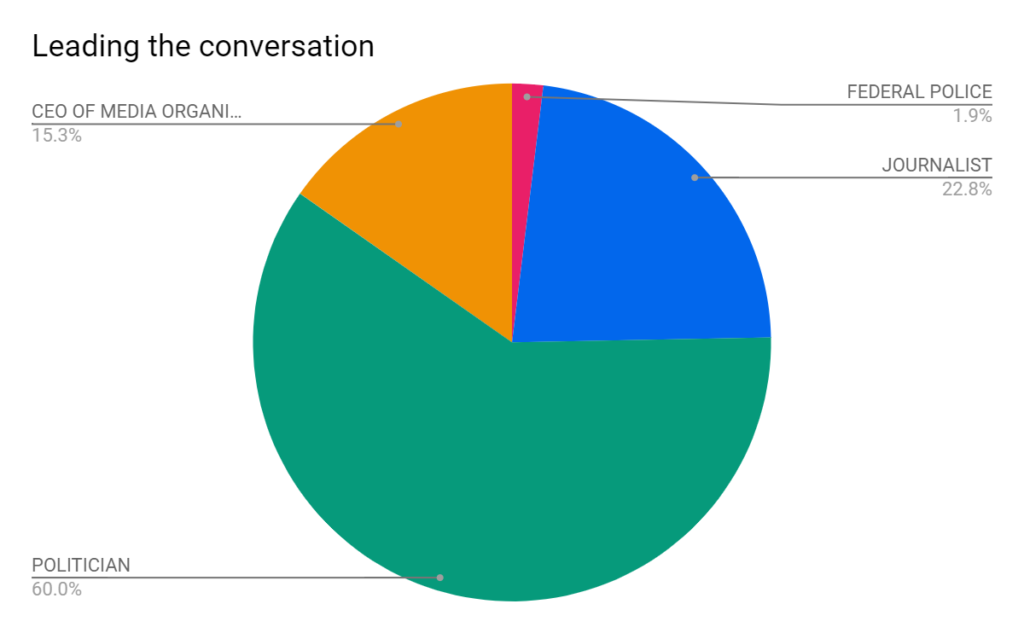
While it was the media who started the campaign on Monday, through the week politicians had 60% share of voice on the topic. Prominent journalists followed with 22.8% and CEOs of media organisations 15.3%.
Groups leading the conversations. Key term used ‘Press Freedom’ 21 - 25 October 2019
Top spokespeople
Despite journalists and media organisations instigating the campaign, politicians dominated the conversations. The top spokespeople discussing the topic for the week period were:
1.Scott Morrison, Australian Prime Minister - 95 mentions
2.Anthony Albanese, Federal Opposition Leader - 38 mentions
3. Barnaby Joyce, Nationals MP - 33 mentions
4.Hugh Marks, CEO Nine Entertainment - 33 mentions
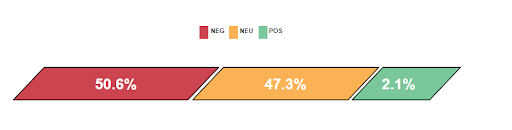
Dominating the discussions, politicians generated negative sentiment around “press freedom”.
Sentiment of the keyword “press freedom” in the media from 21-25 October
Background
Over the past two decades, 75 laws related to secrecy and spying have been passed through parliament. These laws criminalise some practices within journalism and penalise whistleblowers. Government wrongdoings could be hidden and important decisions regarding public information may be concealed. As a result, Australia has been described by the New York Times as the world’s most secretive democracy.
Media organisations are taking action with the ‘Your Right to Know’ campaign. They’re determined to change the government's approach to media freedom so they can provide Australians with essential information. They’re pressing for the introduction of a Media Freedom Act, which they say would be advantageous for national security, press freedom and democracy, and ensure legitimate journalism is not subject to criminal charges.
If you would like to receive unparalleled media insight or to better understand trends in the media, get in touch with us today.
"
["post_title"]=>
string(66) "Your Right to Know: Who is leading the Media Freedom conversation?"
["post_excerpt"]=>
string(240) "The Your Right to Know Campaign was established in response to deteriorating media freedom. It’s prompted an unprecedented collaboration between competitors. All in an effort to call for reforms to protect public interest from Australia. "
["post_status"]=>
string(7) "publish"
["comment_status"]=>
string(4) "open"
["ping_status"]=>
string(4) "open"
["post_password"]=>
string(0) ""
["post_name"]=>
string(27) "your-right-to-know-campaign"
["to_ping"]=>
string(0) ""
["pinged"]=>
string(0) ""
["post_modified"]=>
string(19) "2020-01-23 05:07:22"
["post_modified_gmt"]=>
string(19) "2020-01-23 05:07:22"
["post_content_filtered"]=>
string(0) ""
["post_parent"]=>
int(0)
["guid"]=>
string(31) "https://www.isentia.com/?p=4160"
["menu_order"]=>
int(0)
["post_type"]=>
string(4) "post"
["post_mime_type"]=>
string(0) ""
["comment_count"]=>
string(1) "0"
["filter"]=>
string(3) "raw"
}
Blog
Your Right to Know: Who is leading the Media Freedom conversation?
The Your Right to Know Campaign was established in response to deteriorating media freedom. It’s prompted an unprecedented collaboration between competitors. All in an effort to call for reforms to protect public interest from Australia.
Likes, shares, comments and retweets. These social media metrics are often used by marketers to measure the performance of their campaigns or contents. However, this is just the tip of an iceberg. In this whitepaper, Isentia reveals why.
"
["post_title"]=>
string(18) "The social numbers"
["post_excerpt"]=>
string(197) "Likes, shares, comments and retweets. These social media metrics are often used by marketers to measure the performance of their campaigns or contents. However, this is just the tip of an iceberg. "
["post_status"]=>
string(7) "publish"
["comment_status"]=>
string(4) "open"
["ping_status"]=>
string(4) "open"
["post_password"]=>
string(0) ""
["post_name"]=>
string(18) "the-social-numbers"
["to_ping"]=>
string(0) ""
["pinged"]=>
string(0) ""
["post_modified"]=>
string(19) "2023-07-07 03:18:03"
["post_modified_gmt"]=>
string(19) "2023-07-07 03:18:03"
["post_content_filtered"]=>
string(0) ""
["post_parent"]=>
int(0)
["guid"]=>
string(35) "https://isentia.wpengine.com/?p=977"
["menu_order"]=>
int(0)
["post_type"]=>
string(4) "post"
["post_mime_type"]=>
string(0) ""
["comment_count"]=>
string(1) "0"
["filter"]=>
string(3) "raw"
}
Whitepaper
The social numbers
Likes, shares, comments and retweets. These social media metrics are often used by marketers to measure the performance of their campaigns or contents. However, this is just the tip of an iceberg.
The way different audiences perceive the same piece of news can be very different, depending on their culture, the way the news is being communicated and any number of contingencies.
These disparities can mount up until, in the end, these audiences are living in completely different realities.
One of the biggest challenges for PR professionals in the region is the hardening of "siloed realities." Audiences are fracturing into smaller, self-affirming groups that rarely overlap. If your communications strategy relies on a one-size-fits-all message via mainstream media, the content might not have many takers.
The great divergence: the voice to parliament
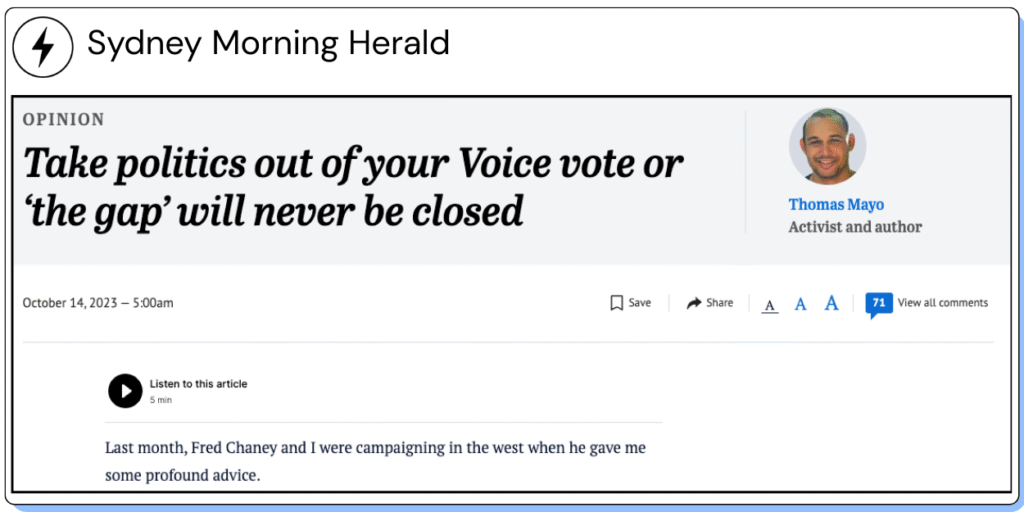
A vivid example of this is Australia’s "Voice to Parliament" referendum.
If audiences were only exposed to the major broadsheets or watched traditional evening news, the conversation often centered on legal structures, constitutional law, and high-level political endorsements. The nature of these discussions were formal and policy-heavy.
But on social media, specifically TikTok, the reality was entirely different. The "No" campaign gained massive traction through short, punchy, and often emotive content that bypassed how complex the policy discussions were entirely. Creators or influencers spoke directly to fears about land rights and personal costs, arguments that were barely present in the "mainstream" policy debate.
This resulted in a campaign that validated the opinions of audiences exposed to the mainstream media , but completely neglected what audiences were speaking about on social media. The two spaces were in their own siloes, the audiences never really spoke to each other and they just echoed within their own walls.
The language of silos regionally
When we zoom into Southeast Asia, these silos are often built around language and culture. A corporate crisis plays out very differently in a multi-lingual market like Malaysia or the Philippines.
As a comms director, relying solely on English-language monitoring, would end up missing a large part of the broader conversation.
Breaking the walls
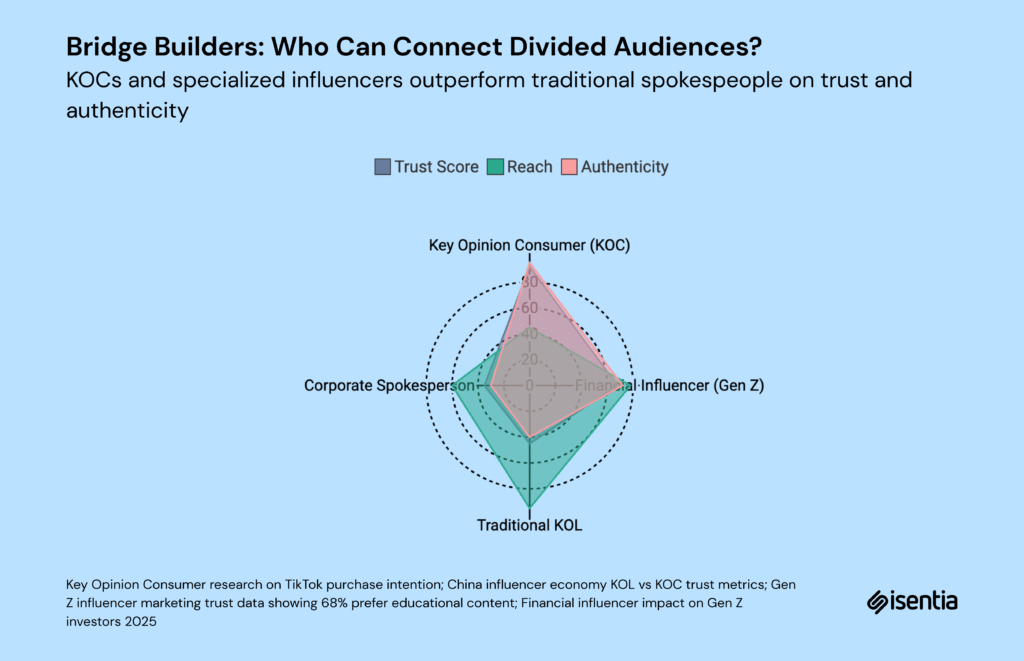
How do we connect these separated worlds? We need "bridge builders."
The era of the generic corporate spokesperson is fading. To navigate silos, brands need to engage personalities who have credibility across the divide. This might mean identifying a "Key Opinion Consumer" (KOC) who is respected by both corporations and everyday users. Or finding a financial influencer who can translate complex corporate sustainability goals into language that resonates with sceptical Gen Z investors. Many accounts on Instagram and TikTok in the financial education space have much larger audiences. The late-millennial and Gen-Z crowd realise that they’re probably falling behind in the best ways to work their money, and so they create short, quick and punchy content that leads to their younger audiences taking action on their finances and that it’s actually not super difficult to just start.
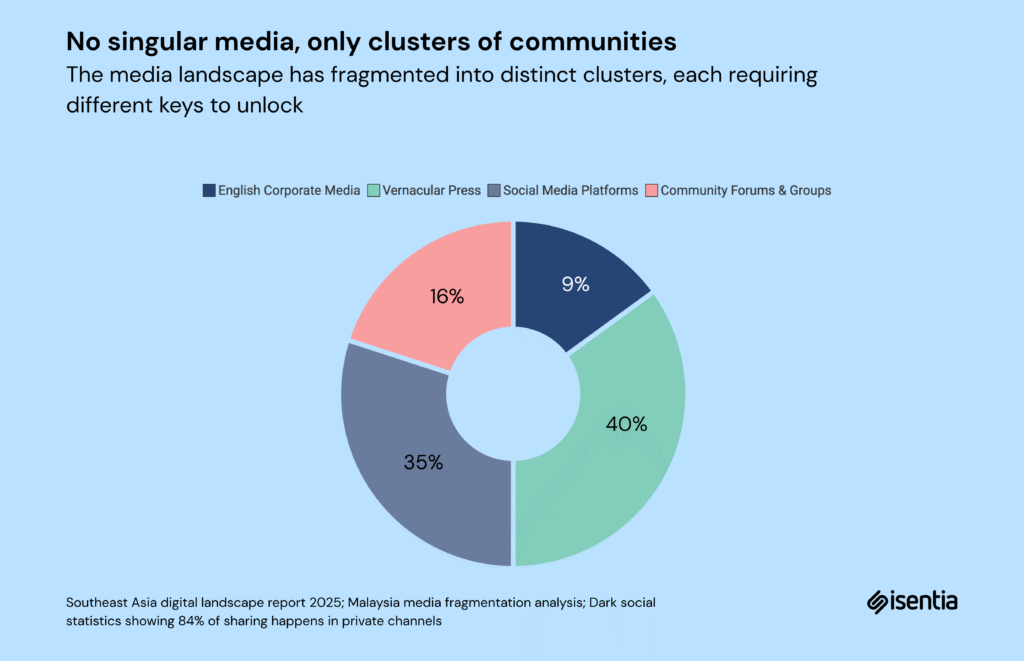
The media should not be treated as a ‘single entity’. There is no singular media anymore. There are only clusters of communities, and our job, as communicators, is to find the keys to unlock each one.
"
["post_title"]=>
string(59) "The danger of "siloed" audiences – and how to bridge them"
["post_excerpt"]=>
string(128) "We analyse why audiences consume news in siloes and what are the possible connectors or bridges that could bring them together. "
["post_status"]=>
string(7) "publish"
["comment_status"]=>
string(4) "open"
["ping_status"]=>
string(4) "open"
["post_password"]=>
string(0) ""
["post_name"]=>
string(53) "the-danger-of-siloed-audiences-and-how-to-bridge-them"
["to_ping"]=>
string(0) ""
["pinged"]=>
string(0) ""
["post_modified"]=>
string(19) "2026-02-16 03:19:05"
["post_modified_gmt"]=>
string(19) "2026-02-16 03:19:05"
["post_content_filtered"]=>
string(0) ""
["post_parent"]=>
int(0)
["guid"]=>
string(32) "https://www.isentia.com/?p=44709"
["menu_order"]=>
int(0)
["post_type"]=>
string(4) "post"
["post_mime_type"]=>
string(0) ""
["comment_count"]=>
string(1) "0"
["filter"]=>
string(3) "raw"
}
Blog
The danger of “siloed” audiences – and how to bridge them
We analyse why audiences consume news in siloes and what are the possible connectors or bridges that could bring them together.
The media landscape is accelerating. In an era where influence is ephemeral and every angle demands instant comprehension, PR and communications professionals require more than generic technology—they need intelligence engineered for their specific challenges.
Isentia is proud to introduce Lumina, a groundbreaking suite of intelligent AI tools. Lumina has been trained from the ground up on the complex workflows and realities of modern communications and public affairs. It is explicitly designed to shift professionals from passive media monitoring back into the role of strategic leaders and pacesetters.
“The PR, Comms and Public Affairs sectors have been experimenting with AI, but most tools have not been built with their real challenges in mind.” said Joanna Arnold, CEO of Pulsar Group.
“Lumina is different; it is the first intelligence suite designed around how narratives actually form today, combining human credibility signals with machine-level analysis. It helps teams understand how stories evolve, filter out noise and respond with context and confidence to crises and opportunities.”
Setting a new standard for PR intelligence
Lumina is centered on empowering, not replacing, the human element of communications strategy. This suite is purpose-built to help PR, Comms, and Public Affairs professionals significantly improve productivity, enhance message clarity, and facilitate early risk detection.
Lumina enables communicators to:
Understand & Interpret: Move beyond basic alerts to strategically map the trajectory and spread of narrative evolution.
Focus & Personalise: Achieve the clarity necessary to execute strategic action before critical moments pass.
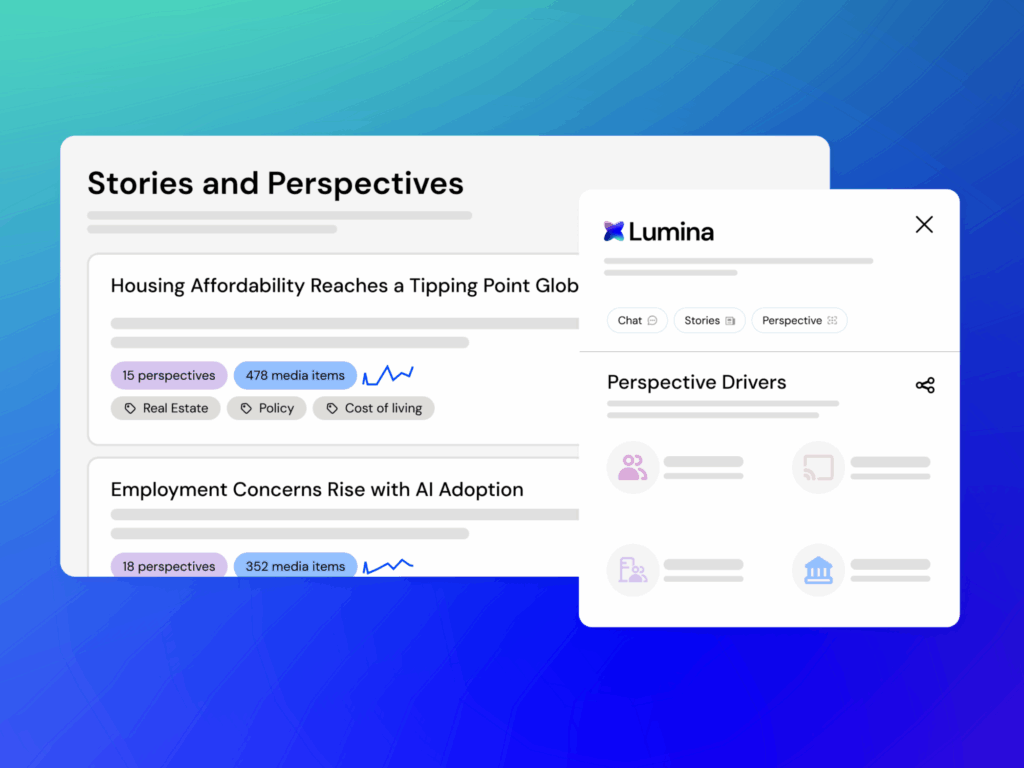
We are launching the Lumina suite by making our first module immediately available: Stories & Perspectives.
In the current fragmented, multi-channel media environment, communications professionals need to be able to instantly perceive not just how a story is growing, but also how it is being perceived across different stakeholder groups.
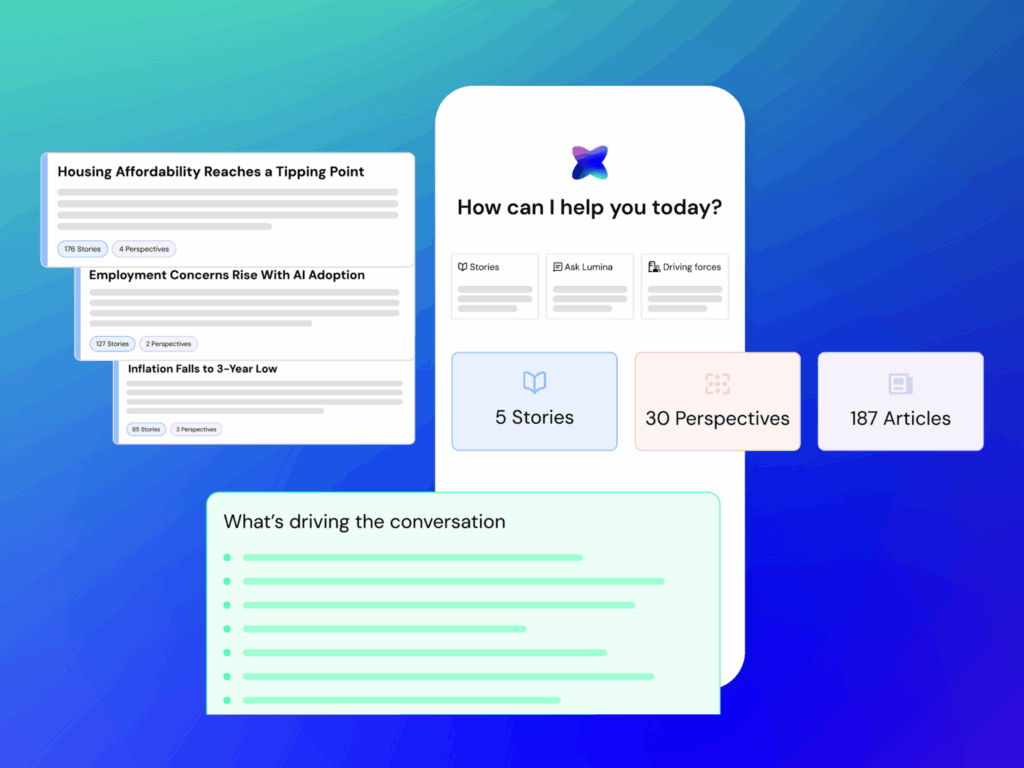
Stories & Perspectives organizes raw media mentions into clustered, cohesive Stories, and the Perspectives that exist within each, reflecting distinct media, audience, and public affairs angles. This unique functionality allows users to:
Rise above the noise: Instantly identify which high-level topics are gaining momentum or fading from attention.
Get to the detail, fast: Uncover the influential voices, niche communities, and specific channels actively shaping the narrative.
Catch the pivot point: Precisely identify the moment a story shifts—from a strategic opportunity to a reputation risk—or when a new key opinion former begins guiding the conversation.
"Media isn’t a stream of mentions," said Kyle Lindsay, Head of Product at Pulsar Group. "But rather a living system of stories shaped by competing perspectives. When you can see those structures clearly, you gain the ability to understand issues as they form, anticipate how they’ll evolve, and act with precision. That’s what we mean when we talk about AI built for communicators, and that's what an off-the-shelf LLM can't give you."
The Lumina Roadmap: AI tools for the future of comms
The launch of Stories & Perspectives is the first release of many. Over the upcoming months, we will systematically roll out the full Lumina roadmap, introducing a comprehensive set of AI tools engineered to handle every phase of the communications lifecycle.
The full Lumina suite will soon incorporate:
Curated media summaries: AI-driven daily summaries customized specifically to the priorities of senior leadership, highlighting only the most relevant stories.
Reputation analysis: Advanced measurement tracking how critical themes like ethics, innovation, and leadership are statistically shaping corporate perception.
Press release & media relations assistant: Tools designed to accelerate content creation and craft hyper-focused, personalized pitches that reach the precise contacts faster.
Predictive intelligence layer: Technology engineered to track and anticipate story momentum and strategic change before the window of opportunity closes.
Intelligent agents: Background agents continuously scanning all media channels for emerging key spokespeople and previously undetected reputation risks.
Enhanced audio, broadcast & crisis detection: Complete, real-time oversight of all channels—including audio and broadcast—enabling rapid context building and optimal crisis response delivery.
Want to harness the power of Lumina AI for your PR, Comms, or Public Affairs team? .
Complete the form below to register your interest.
"
["post_title"]=>
string(79) "Announcing Lumina: The purpose-built AI suite for PR, Comms, and Public Affairs"
["post_excerpt"]=>
string(129) "An intelligent suite of AI tools trained on the language, workflows, and realities of modern public relations and communications."
["post_status"]=>
string(7) "publish"
["comment_status"]=>
string(4) "open"
["ping_status"]=>
string(4) "open"
["post_password"]=>
string(0) ""
["post_name"]=>
string(76) "announcing-lumina-the-purpose-built-ai-suite-for-pr-comms-and-public-affairs"
["to_ping"]=>
string(0) ""
["pinged"]=>
string(0) ""
["post_modified"]=>
string(19) "2025-12-09 09:39:52"
["post_modified_gmt"]=>
string(19) "2025-12-09 09:39:52"
["post_content_filtered"]=>
string(0) ""
["post_parent"]=>
int(0)
["guid"]=>
string(32) "https://www.isentia.com/?p=43742"
["menu_order"]=>
int(0)
["post_type"]=>
string(4) "post"
["post_mime_type"]=>
string(0) ""
["comment_count"]=>
string(1) "0"
["filter"]=>
string(3) "raw"
}
Blog
Announcing Lumina: The purpose-built AI suite for PR, Comms, and Public Affairs
An intelligent suite of AI tools trained on the language, workflows, and realities of modern public relations and communications.