object(WP_Post)#8035 (24) {
["ID"]=>
int(41613)
["post_author"]=>
string(2) "75"
["post_date"]=>
string(19) "2025-08-26 02:37:52"
["post_date_gmt"]=>
string(19) "2025-08-26 02:37:52"
["post_content"]=>
string(9442) "
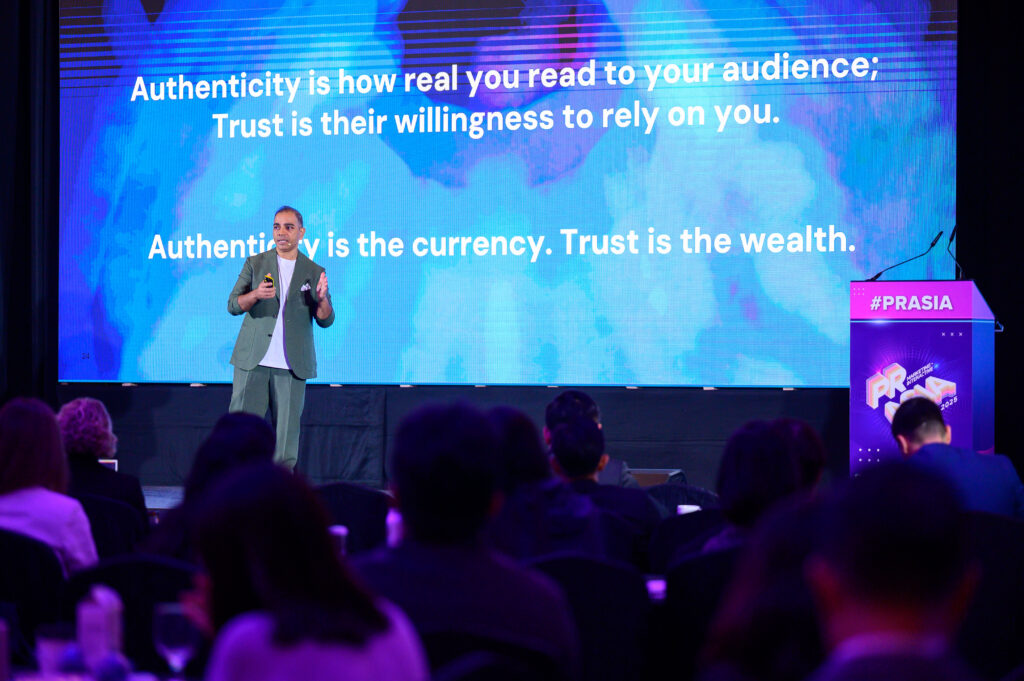
We spoke at Marketing Interactive's PR Asia 2025 recently in Singapore around authenticity, trust and how these are at a strain, specifically in this new AI-powered world. We were amongst top leaders in the PR industry who touched upon how crisis and reputational threats need to be dealt with authentically. Most importantly, companies must be ready for any kind of crisis communications to be activated with statements from senior leadership, without a sense of "doing everything reactively", i.e., the logistics need to be in place so that teams have enough time to be responsive rather that reactive.
Audience perceptions of AI: do we know what's real?
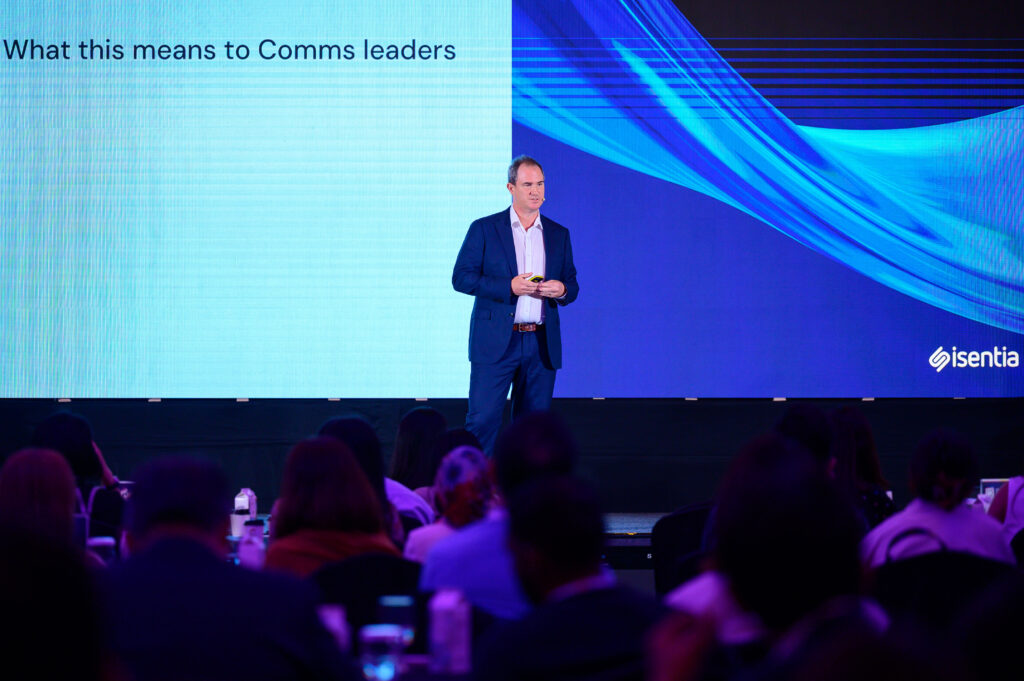
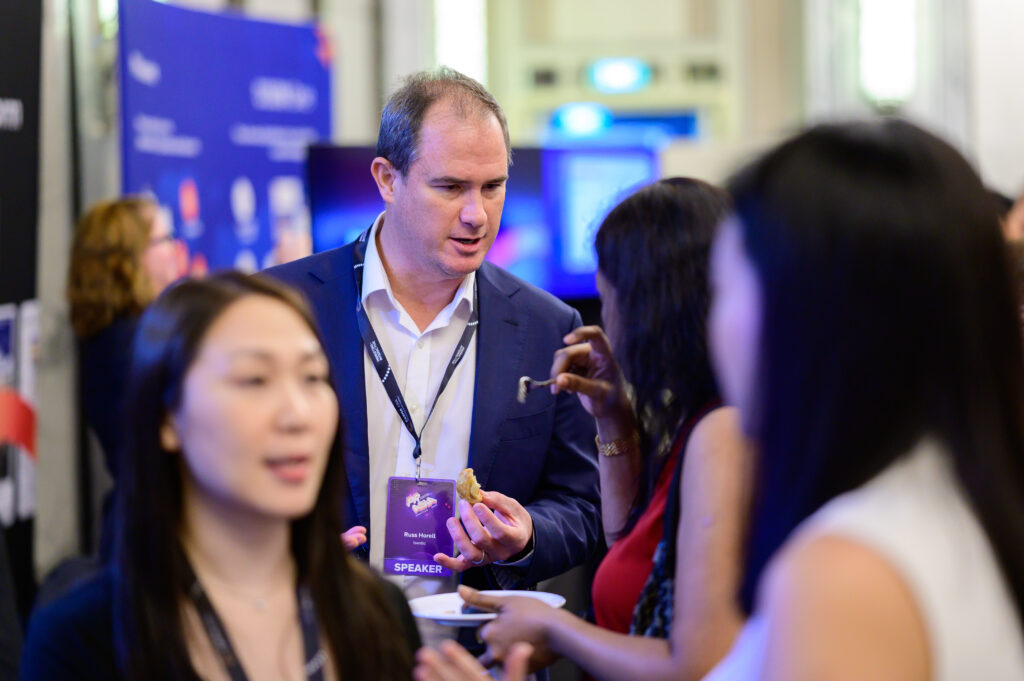
Russ Horell, Chief Revenue Officer, APAC touched upon a few cases that set the tone around how audiences have not been able to clearly identify which online content is real and have ridden the wave until someone figures it out. The two main examples that were touched upon were around how Mia Zelu, a virtual influencer on Instagram became the face of Wimbledon this year, until everyone realised she's not real.
The other case was around former Astronomer CEO Andy Byron's fake statement that was circulated - although not AI, it gives us an insight into how trust in CEOs is at an all time low, with this incident taking it further underground. In this world of fakes, audiences have given up on trying to decide what's real. This needs to be urgently addressed by PR leaders when it comes to brand communications, especially during a crisis.
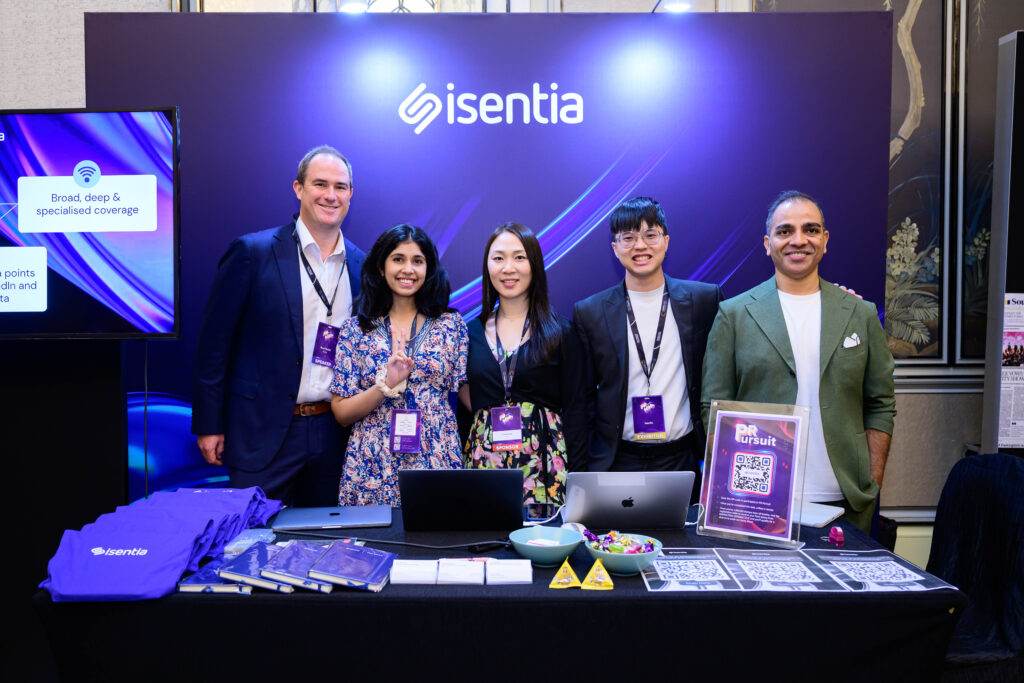
Our CEO for Pulsar Group, Joanna Arnold was in attendance of the speaking session and at our booth to support and motivate as always. This gave us an extra level of confidence to interact with the visitors at the booth and to speak with them about who we are, what we do and more insight into our content.
Assigning cues to audience reactions
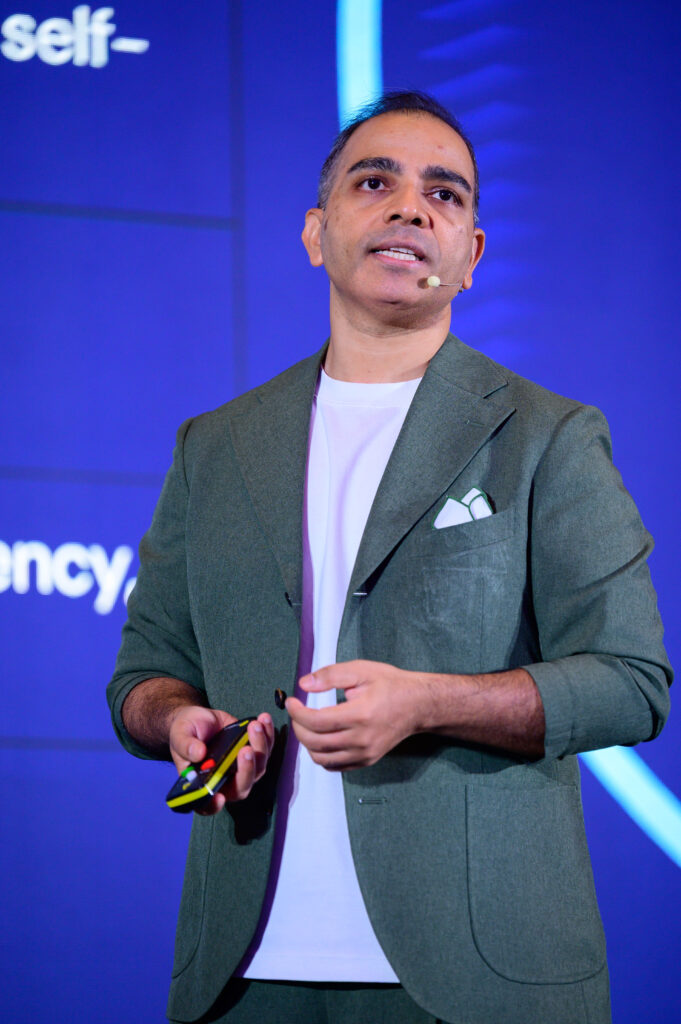
With all this in mind, we wanted to understand how leaders, specifically PR leaders can own their content strategy and decision making when it comes to responding effectively.We analysed posts by top executives and c-suite leaders on LinkedIn and audience behaviour to those posts. We then assigned cues - cues that identify which post is the most authentic in terms of cultural relevance, identity, tone & style, trust, information accuracy etc. Prashant Saxena, Vice President, Revenue & Insights, SEA expanded upon how these cues can be utilised to increase engagement 3-fold. This transforms authenticity from subjective performance into an executable framework that any leader can deploy. The pattern is clear, and posts with multiple authenticity cues consistently outperform those relying on tone alone.
Booth interactions
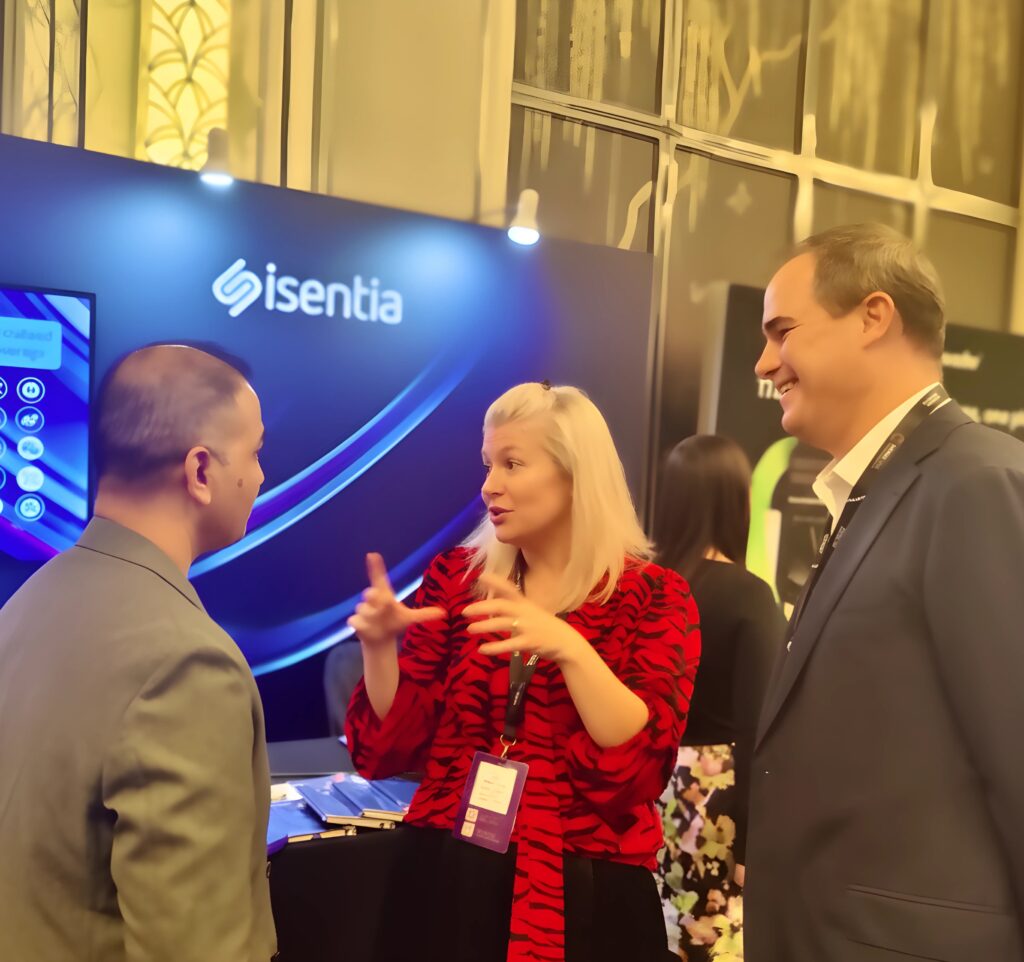
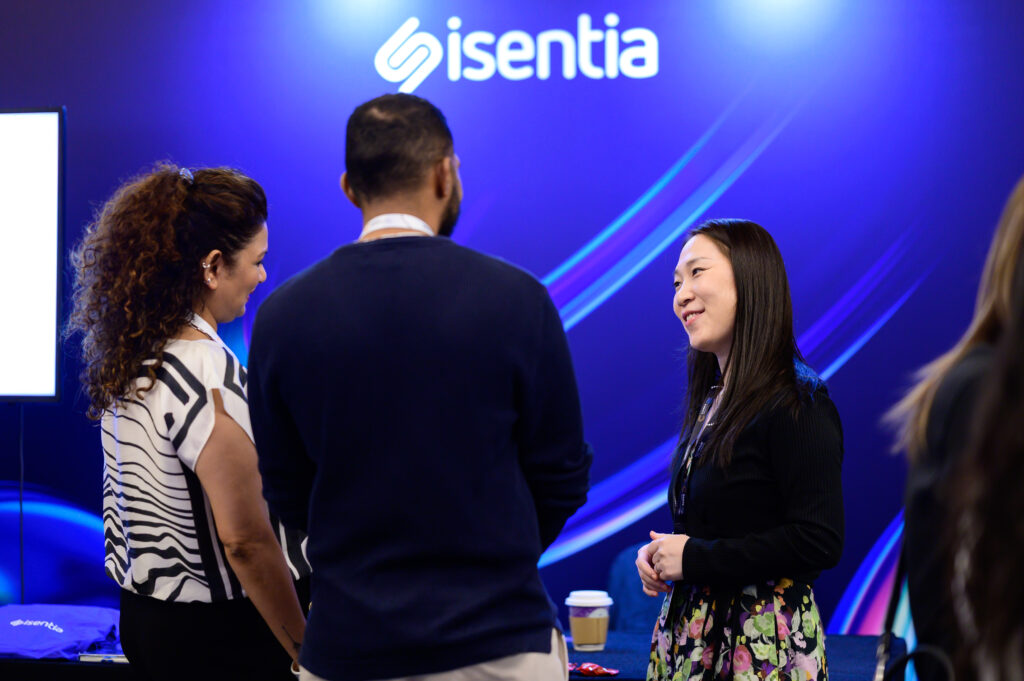
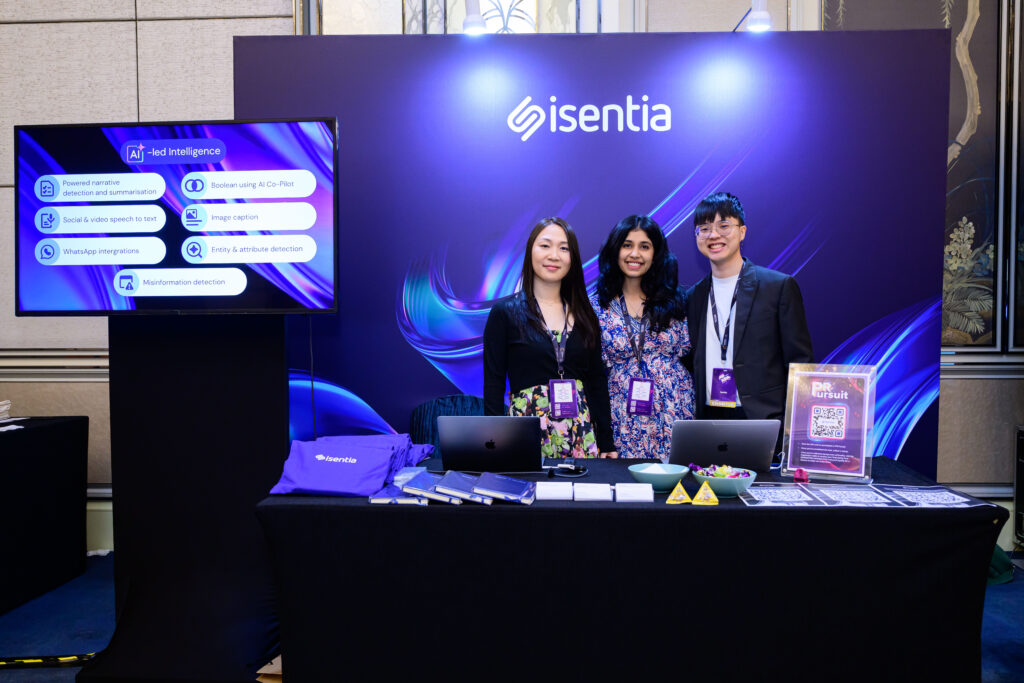
Jenna Wang, Business Development Director and Christian Chan, Business Development Manager for Isentia, Singapore were having engaging and insightful discussions with attendees, considering the topic at hand is an important one with an almost "what to do" playbook that leaders can use effectively in their communications. We knew many would be keen on understanding and wanting to know more as a follow up to the speaking session. Nikita Gundala, SEA Marketing Lead, managed the content and the logistics around the booth display along with timely updates on our social media.
We had a wonderful experience at PR Asia this year and we look forward to being a part of (and hosting) more such events where we can bring together industry leaders to understand how they navigate new challenges and what can be done about them.
Interested in learning more? Email us at info@isentia.com
"
["post_title"]=>
string(80) "PR Asia 2025: how authenticity is the new currency for PR leaders in this AI era"
["post_excerpt"]=>
string(0) ""
["post_status"]=>
string(7) "publish"
["comment_status"]=>
string(4) "open"
["ping_status"]=>
string(4) "open"
["post_password"]=>
string(0) ""
["post_name"]=>
string(74) "pr-asia-2025-authenticity-new-currency-ensuring-trust-in-a-blurred-reality"
["to_ping"]=>
string(0) ""
["pinged"]=>
string(0) ""
["post_modified"]=>
string(19) "2025-08-27 05:04:58"
["post_modified_gmt"]=>
string(19) "2025-08-27 05:04:58"
["post_content_filtered"]=>
string(0) ""
["post_parent"]=>
int(0)
["guid"]=>
string(32) "https://www.isentia.com/?p=41613"
["menu_order"]=>
int(0)
["post_type"]=>
string(4) "post"
["post_mime_type"]=>
string(0) ""
["comment_count"]=>
string(1) "0"
["filter"]=>
string(3) "raw"
}
Blog
PR Asia 2025: how authenticity is the new currency for PR leaders in this AI era
We spoke at Marketing Interactive’s PR Asia 2025 recently in Singapore around authenticity, trust and how these are at a strain, specifically in this new AI-powered world. We were amongst top leaders in the PR industry who touched upon how crisis and reputational threats need to be dealt with authentically. Most importantly, companies must be […]
object(WP_Post)#12162 (24) {
["ID"]=>
int(1986)
["post_author"]=>
string(2) "36"
["post_date"]=>
string(19) "2019-06-25 02:49:42"
["post_date_gmt"]=>
string(19) "2019-06-25 02:49:42"
["post_content"]=>
string(6857) "
If your New Year’s resolution is to get ahead of the tech curve, you’re in luck.
As artificial intelligence (AI) transitions from novel to normalised in 2018, there are many ways you can integrate advanced technology into your day-to-day life, making you more productive at work and at home. Andrea Walsh, one of Australia’s most successful CIO’s, shares tips on how everyone can use machine learning to squeeze more out of the day.
Decision making
You may not trust a computer to make important decisions for you, but it can help guide your choices. Committed to read more in 2018? Amazon will analyse your previous purchasing behaviour to recommend books you might like. If you’d simply like to reconnect with old friends or spend more time with new ones, Facebook will flag friend suggestions for you. If you’re in the market for a new job this year, let LinkedIn’s algorithms suggest jobs you may be interested in or people you should be networking with. Embrace these tools to help cut through the noise and then use your own insight to make decisions on a narrowed, personalised field.
Be more punctual
If you are perennially late and have vowed to be more punctual in 2018, Google Maps is your new best friend, helping you avoid time-sucking activities like getting lost in parking lots or being caught in heavy traffic. Using data from your smartphone, Google is able to provide you with directions to where you parked your car. On the road, Google will analyse your position together with anonymised data from other smartphones to suggest the fastest route to your destination. If driving full-stop is your peeve, then you will be pleased to hear that California authorities will allow self-driving cars to be tested alongside cars driven by humans on roads this year. Experts predict this could result in a 90% reduction in accidents (which will arouse all sorts of ethical debates as to whether humans will still be able to drive cars), 75% less cars on the road and reduce the work commute by almost half.
Boost creativity
With the rise of machine learning comes the fear of job losses. “The development of full artificial intelligence could spell the end of the human race,” Stephen Hawking told the BBC.
An Oxford University survey suggested that 47 per cent of the world’s jobs could be replaced within decades. Autonomous cars present one example of how jobs in transport and logistics may be replaced by robots. With this uncertainty comes the understanding that routine work is far more likely to be automated than jobs requiring skills like creativity or emotional intelligence. Machines may be adept at processing large volumes of data, but they can’t make insightful or creative decisions. The good news is that as machines become smarter, humans are freed from mundane tasks and can become more creative. If you’re in a small business, using accounting products like Xero to manage your financial reporting. This allows you to turn your attention to business boosters like problem solving, improving customer service or creating new products. If you’re in big business, tools like Amazon Transcribe or Amazon Translate can perform laborious tasks like producing and translating documents with lightning speed and accuracy, allowing you to focus on big picture thinking like strategy and profitability.
Stay on top of current affairs
In my work at Isentia, we use machine learning to process seven million news items each day. Not long ago this was a task relegated to humans with the mind-numbing task of flipping through newspapers in search of stories that might relate to a client. Machines trawl video, audio and digital content across more than 5,500 new sites at a rate of 234 stories per second and present meaningful summaries to clients in real-time. Whether a story breaks on Twitter and then spills across news platforms and onto television and radio, machine learning can track and analyse how a story evolves with 99% accuracy. Use these tools to stay on top of the issues or people relevant to your industry – in real time.
Make your mark in 2018
The robots aren’t ‘coming’, they are well and truly here. Without realising, we interact with ‘smart’ technology at almost every touch point of our daily lives. As a technologist, I am excited by machine learning not only because I see its profit boosting value, but also for how much it can improve our working lives each and every day.
If you learn one thing this year, take the time to discover how AI can help you be a more creative and productive version of you in 2018.
Headquartered in Sydney, Australia, Isentia is a media intelligence company operating since 1982. The company is backed by over 1,200 employees with 18 offices across Australia, New Zealand, Asia, Europe and the US. Isentia provides more than 5,000 clients, including many of the world’s leading brands, companies and governments, with media intelligence software and services that help drive more informed and timely business and communication decisions.
Originally featured on Women Love Tech.
"
["post_title"]=>
string(60) "Tips For Success: Make A Robot Your Partner In Crime In 2018"
["post_excerpt"]=>
string(211) "As artificial intelligence (AI) transitions from novel to normalised in 2018, there are many ways you can integrate advanced technology into your day-to-day life, making you more productive at work and at home. "
["post_status"]=>
string(7) "publish"
["comment_status"]=>
string(4) "open"
["ping_status"]=>
string(4) "open"
["post_password"]=>
string(0) ""
["post_name"]=>
string(59) "tips-for-success-make-a-robot-your-partner-in-crime-in-2018"
["to_ping"]=>
string(0) ""
["pinged"]=>
string(0) ""
["post_modified"]=>
string(19) "2019-09-25 03:04:04"
["post_modified_gmt"]=>
string(19) "2019-09-25 03:04:04"
["post_content_filtered"]=>
string(0) ""
["post_parent"]=>
int(0)
["guid"]=>
string(36) "https://isentia.wpengine.com/?p=1986"
["menu_order"]=>
int(0)
["post_type"]=>
string(4) "post"
["post_mime_type"]=>
string(0) ""
["comment_count"]=>
string(1) "0"
["filter"]=>
string(3) "raw"
}
Blog
Tips For Success: Make A Robot Your Partner In Crime In 2018
As artificial intelligence (AI) transitions from novel to normalised in 2018, there are many ways you can integrate advanced technology into your day-to-day life, making you more productive at work and at home.
object(WP_Post)#7806 (24) {
["ID"]=>
int(1971)
["post_author"]=>
string(2) "36"
["post_date"]=>
string(19) "2019-06-25 02:36:30"
["post_date_gmt"]=>
string(19) "2019-06-25 02:36:30"
["post_content"]=>
string(7627) "
It’s official: artificial intelligence has arrived. But how will this disruptive technology transform businesses in the near future?
After more than a few false starts, artificial intelligence (AI) is finally here, and it’s powerfully disrupting the way business is done. We don’t need to ask if or when businesses will adopt AI – the question is where and how widely it will be employed.
AI is already a big player in the technology industry. In particular, there is a growing use of AI in IT’s backroom functions like cybersecurity and tech support. A Tata Consultancy Services (TCS) survey of 835 company executives found that nearly half of respondents were using AI to detect and fend off intrusions – the most frequent use of the technology. But a number of other industries are also opting for AI.
Early adopters
In entertainment, companies like Netflix and Amazon are using machine learning to help their movie recommendation engines. Health care has seen myriad applications, including virtual assistants for doctors, apps that can interpret test results and even AI-based spine surgery technology. In the financial sector, AI has been put to work in regulatory compliance and fraud prevention – PayPal uses a combination of its own AI program and human analysts to combat fraud, for example, and HSBC has teamed up with Silicon Valley startup Ayasdi to automate anti-money-laundering investigations.
Worldwide spending on cognitive and AI systems is expected to reach $12.5 billion this year, according to IDC, a whopping increase of 59.3 percent over 2016. Much of this growth is powered by use cases like the examples above. But there’s another area where AI is rapidly being adopted: automated customer service agents, or chatbots as they’re more commonly known.
Customers now expect AI to be used by companies and they are comfortable interacting with the technology (up to a point). Research from HubSpot found that nearly half of people are happy with the idea of buying products from a chatbot. Perhaps more importantly, 40 percent of respondents said they were indifferent about receiving customer support from either a chatbot or human – provided they got the help they needed fast and easily.
Dealing with data
Whether patrolling a computer network for intrusions or trawling through financials for signs of fraud, AI is most often employed to intelligently handle vast amounts of data quickly. “AI is best deployed in companies with significant amounts of data and robust data systems,” says Andrea Walsh, Isentia’s CIO.
Gartner predicts that, in 2018, half a billion users will save two hours a day as a result of AI-powered tools. Every time a business gains efficiencies, it saves money – and that is AI’s chief benefit.
AI’s smarter processing power is also helping companies generate more quality leads on new customers, using IBM’s Watson AI, for example. Finding, contacting and closing new sales is a time and resource-heavy activity. But AI-based sales assistants can tirelessly work on reaching out to people, while intelligently analyzing data on leads. This can then be effectively communicated with point-of-sale staff.
When employees hear the word “efficiency,” they often assume it will lead to lay-offs. While there is no question that some jobs will be replaced by AI programs, the naysayers are largely exaggerating their mass-redundancy predictions.
AI is a data-cruncher, and it is often employed to take care of something that didn’t even exist 30 years ago: big data. When it accomplishes its analysis, a human is still needed to interpret the results, such as in cybersecurity and anti-fraud scenarios. Even in the case of customer service chatbots, these will mostly be applied to routine queries and simple support functions, augmented by human representatives for complex problems. “AI should not stand alone as a technology,” say Walsh.
Enhancing existing infrastructure
As with all industrial revolutions, AI will create jobs even as it replaces them. There are already glaring shortfalls in STEM-trained employees across the world, and that’s likely to continue as the rapid pace of technological transformation outruns educational reforms. But eventually, new generations will be trained and educated to do jobs created by innovative technologies like AI.
Any business can benefit from AI programs, but when it comes to how broadly they adopt AI, companies need to look at how the technology can augment their existing capabilities. Instead of replacing staff, current AI should be used to support them and put their invaluable human minds to the best use, saving tedious, data-crunching work for the machines. For customers, AI needs to be a helpful, timesaving addition to their experience, and companies should never try to create the false impression that a human is doing the work. People are ready for AI; companies need to be too.
Andrea Walsh, Isentia's Chief Information Officer
"
["post_title"]=>
string(51) "Transformative tech: What to expect from AI in 2018"
["post_excerpt"]=>
string(134) "It’s official: artificial intelligence has arrived. But how will this disruptive technology transform businesses in the near future?"
["post_status"]=>
string(7) "publish"
["comment_status"]=>
string(4) "open"
["ping_status"]=>
string(4) "open"
["post_password"]=>
string(0) ""
["post_name"]=>
string(50) "transformative-tech-what-to-expect-from-ai-in-2018"
["to_ping"]=>
string(0) ""
["pinged"]=>
string(0) ""
["post_modified"]=>
string(19) "2019-06-25 08:12:16"
["post_modified_gmt"]=>
string(19) "2019-06-25 08:12:16"
["post_content_filtered"]=>
string(0) ""
["post_parent"]=>
int(0)
["guid"]=>
string(36) "https://isentia.wpengine.com/?p=1971"
["menu_order"]=>
int(0)
["post_type"]=>
string(4) "post"
["post_mime_type"]=>
string(0) ""
["comment_count"]=>
string(1) "0"
["filter"]=>
string(3) "raw"
}
Blog
Transformative tech: What to expect from AI in 2018
It’s official: artificial intelligence has arrived. But how will this disruptive technology transform businesses in the near future?
object(WP_Post)#12161 (24) {
["ID"]=>
int(50575)
["post_author"]=>
string(2) "75"
["post_date"]=>
string(19) "2026-10-23 01:20:42"
["post_date_gmt"]=>
string(19) "2026-10-23 01:20:42"
["post_content"]=>
string(35642) "
A weekly tracker tracing the stories, figures and policies driving media and social coverage in the 2026 New Zealand General Election across Online News, TV, Radio, Newspaper, Magazine, X, Facebook, Instagram, TikTok, Threads and Forums. This edition covers conversations and coverage from 15th - 21st October, highlighting what’s shaping the election conversation.
1. Election Conversation
10,572
total mentions this week
Media = news coverage. Social = all public posts across X, Facebook, Instagram, TikTok and Threads - everyone posting, not just media outlets.
2. Media Issue of the Week
Opportunity Party Puts the Kingmaker Question at the Centre of the Campaign
Opportunity (TOP)271 media items · 325 social posts
The Opportunity Party, led by Qiulae Wong, was the most covered new story in the news this week. It polled 8% in the 1News Verian poll on 13 October and 5.4% in the Post/Freshwater poll on 19 October, just above the 5% needed to enter Parliament. With National and Labour close together, outlets described it as a possible kingmaker. Christopher Luxon ruled out working with the party at the Herald leaders' debate, then told West Coast voters he would work with "whoever I have to", and campaign chair Simeon Brown ruled it out again. David Seymour said ACT would consider a four-party arrangement that includes Opportunity. Later in the week the focus turned to the party itself, with former board members describing internal problems and Wong saying the party's rules need another look.
News outlets ran 271 items on the party or the kingmaker question in the headline or summary (9.5% of the 2,842 election items), and it was mentioned somewhere in 724 (25.5%). Coverage was highest on 15 October, after Luxon's West Coast comments, Brown's response and Seymour's remarks, and again on 20 and 21 October, with new poll results, the former board members' claims and Wong's comments on coalition deals.
It matters because it affects who can form a government. The Post projected that Opportunity's seven MPs could give either a Labour-led bloc a narrow 61-seat majority or a National-led bloc 66 seats, so every party has had to say whether it would work with Opportunity. On social media it was a smaller conversation, with 325 posts (4.2%), and those posts were less negative than average (44.4% negative against 53.0% overall). The story is about coalition options rather than a policy position, so it is not linked to a party issue below.
3. What's happening across media and social?
2,842 media items · 7,730 social items · share of each channel's own conversation, so the two bars are directly comparable
"Social" is all public posts across X, Facebook, Instagram, TikTok and Threads - not just media organisations' own accounts.
MediaSocial
Issues
Infrastructure & Transport
Most frequent bylines and presenters: The most frequent bylines and presenters this week were Sean Plunket (The Platform), Ryan Bridge (Three), Henry Cooke (Waikato Times) and John MacDonald (Newstalk ZB).
Widest-reach accounts: The accounts with the widest reach among election posts were news outlets: the New Zealand Herald, 1News, Radio Tarana, RNZ and Stuff, along with the New Zealand Labour Party account. Party leaders' own accounts posted often but have smaller followings.
Law and order made up 22.1% of the issues discussed on social media but 9.1% in the news, about 2.4 times as much. Part of the gap is the continuing reaction to the Greens' and Te Pāti Māori's visit to a Mongrel Mob event, last week's Media Issue of the Week: 137 of the 791 law and order posts mention it. Across all social posts the visit came up in 291 (3.8%), 70.5% of them negative, and in 257 news items (9.0%).
The Opportunity Party shows the gap the other way round. It was in the headline or summary of 9.5% of news items but only 4.2% of social posts, about 2.3 times as much attention in the news. Among the parties, NZ First, the Greens and ACT had a bigger share of social mentions than news mentions (NZ First 19.6% against 12.7%, Greens 18.2% against 13.7%, ACT 14.1% against 9.9%), while National and Labour had a bigger share in the news (National 25.8% against 21.0%, Labour 23.5% against 17.8%).
4. Party Share of Conversation
Shown for seven parties, including Te Pāti Māori and the Opportunity Party (TOP), which is this week's Media Issue of the Week. Shares add up to 100% of the seven shown. Share of conversation measures attention, not polling, and is not a sign of electoral success.
5. Top candidates this week
1. Christopher Luxon1,614
Christopher Luxon (1,614 mentions) and Chris Hipkins (1,611) were level at the top. Both were at the centre of the final leaders' debate on 20 October and the questions about working with Opportunity, and each party announced new policy during the week.
Winston Peters (1,133) was third and was mentioned far more on social media (726) than in the news (407). The most shared posts about him covered his comments on diversity, his message to David Seymour on strategic voting and his public meetings. David Seymour (840) drew attention for saying ACT could work with Opportunity.
Chloe Swarbrick (412) was in the news more than on social media (227 against 185), with coverage of the Greens' plan to reverse public service cuts and the Mongrel Mob visit. Mentions measure how much someone is being talked about, not how they are polling.
6. Election Issues
Top 4 themes this week
What's driving conversation about each party?
Each party's top issues this week in social conversation, ranked by how much they were discussed
National
1Health
2Jobs
3Cost of living
Labour
1Health
2Education
3Cost of living
Greens
1Cost of living
2Law and order
3Training wage
ACT
1GP access
2Cost of living
Issues are ranked from social posts. Counts are not shown because the numbers for a single party and issue are small.
7. Issues to Watch
- The coalition question around the Opportunity Party is likely to stay in the news until election day. Luxon has given two different answers on working with the party, and polls this month have put it between 4.8% and 8%, so a small shift in support could change which parties can form a government. The party's internal problems are also now in the spotlight.
- Voter enrolment is becoming a political issue ahead of the 25 October deadline. New rules mean people cannot enrol at the polling booth, and 112 news items this week covered enrolment or the electoral roll, many focused on young and first-time voters. The number enrolled when the roll closes will show whether these concerns made a difference.
- Social conversation leaned negative this week: 53.0% of posts with a clear tone were negative, 32.6% neutral and 14.4% positive. Cost of living is a top issue for four parties (National, Labour, Greens and ACT). Health is a top issue for two parties (National and Labour). Issues that matter to several parties are the ones most likely to keep shaping the campaign.
If you want to find out more about how Isentia can help you understand the NZ media landscape, please reach out to us here.
"
["post_title"]=>
string(97) "NZ Election 2026: TOP as Kingmaker, Law & Order Surge on Social, and Minor Parties Gaining Ground"
["post_excerpt"]=>
string(152) "Analysis of the latest NZ Election 2026 media tracker: The Opportunity Party's kingmaker potential, Law & Order social trends, and minor party momentum."
["post_status"]=>
string(7) "publish"
["comment_status"]=>
string(4) "open"
["ping_status"]=>
string(4) "open"
["post_password"]=>
string(0) ""
["post_name"]=>
string(92) "nz-election-2026-top-as-kingmaker-law-order-surge-on-social-and-minor-parties-gaining-ground"
["to_ping"]=>
string(0) ""
["pinged"]=>
string(0) ""
["post_modified"]=>
string(19) "2026-10-23 01:20:50"
["post_modified_gmt"]=>
string(19) "2026-10-23 01:20:50"
["post_content_filtered"]=>
string(0) ""
["post_parent"]=>
int(0)
["guid"]=>
string(32) "https://www.isentia.com/?p=50575"
["menu_order"]=>
int(0)
["post_type"]=>
string(4) "post"
["post_mime_type"]=>
string(0) ""
["comment_count"]=>
string(1) "0"
["filter"]=>
string(3) "raw"
}