Blog post
February 16, 2026The danger of “siloed” audiences – and how to bridge them
The way different audiences perceive the same piece of news can be very different, depending on their culture, the way the news is being communicated and any number of contingencies.
These disparities can mount up until, in the end, these audiences are living in completely different realities.
One of the biggest challenges for PR professionals in the region is the hardening of “siloed realities.” Audiences are fracturing into smaller, self-affirming groups that rarely overlap. If your communications strategy relies on a one-size-fits-all message via mainstream media, the content might not have many takers.
The great divergence: the voice to parliament
A vivid example of this is Australia’s “Voice to Parliament” referendum.
If audiences were only exposed to the major broadsheets or watched traditional evening news, the conversation often centered on legal structures, constitutional law, and high-level political endorsements. The nature of these discussions were formal and policy-heavy.
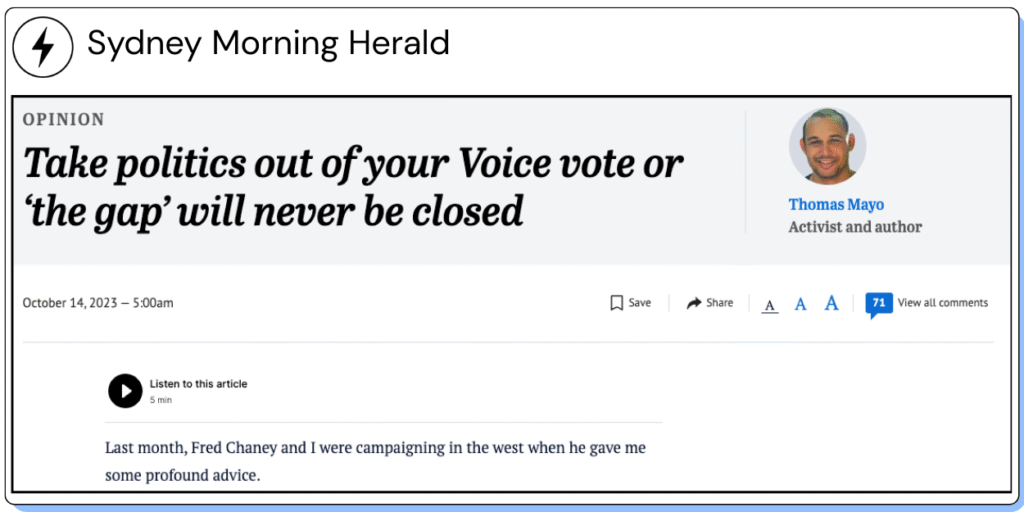
But on social media, specifically TikTok, the reality was entirely different. The “No” campaign gained massive traction through short, punchy, and often emotive content that bypassed how complex the policy discussions were entirely. Creators or influencers spoke directly to fears about land rights and personal costs, arguments that were barely present in the “mainstream” policy debate.
This resulted in a campaign that validated the opinions of audiences exposed to the mainstream media , but completely neglected what audiences were speaking about on social media. The two spaces were in their own siloes, the audiences never really spoke to each other and they just echoed within their own walls.
The language of silos regionally
When we zoom into Southeast Asia, these silos are often built around language and culture. A corporate crisis plays out very differently in a multi-lingual market like Malaysia or the Philippines.
As a comms director, relying solely on English-language monitoring, would end up missing a large part of the broader conversation.
Breaking the walls
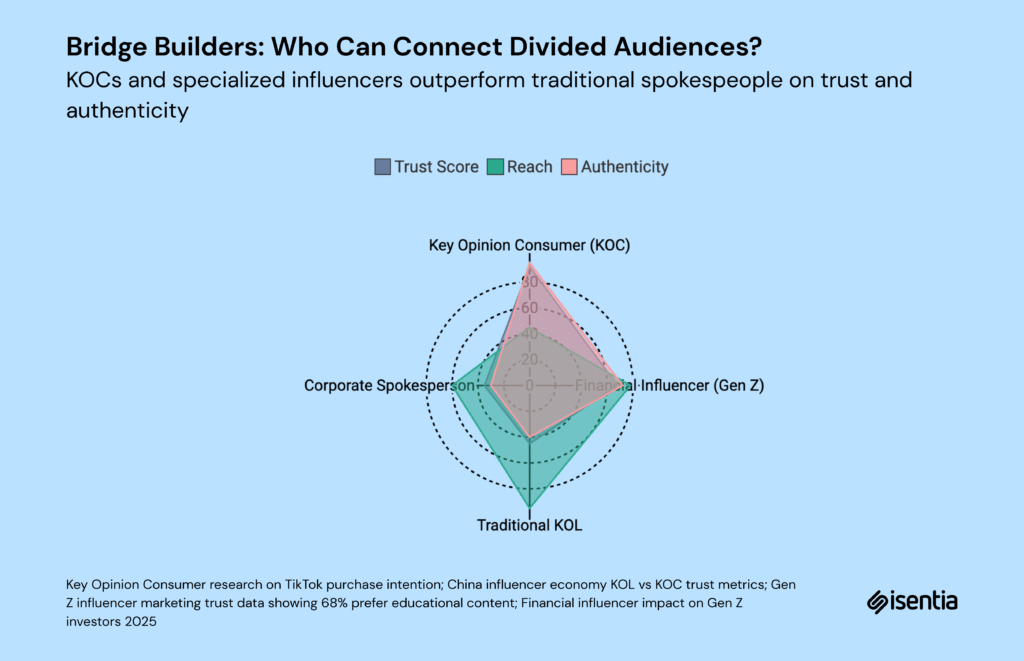
How do we connect these separated worlds? We need “bridge builders.”
The era of the generic corporate spokesperson is fading. To navigate silos, brands need to engage personalities who have credibility across the divide. This might mean identifying a “Key Opinion Consumer” (KOC) who is respected by both corporations and everyday users. Or finding a financial influencer who can translate complex corporate sustainability goals into language that resonates with sceptical Gen Z investors. Many accounts on Instagram and TikTok in the financial education space have much larger audiences. The late-millennial and Gen-Z crowd realise that they’re probably falling behind in the best ways to work their money, and so they create short, quick and punchy content that leads to their younger audiences taking action on their finances and that it’s actually not super difficult to just start.
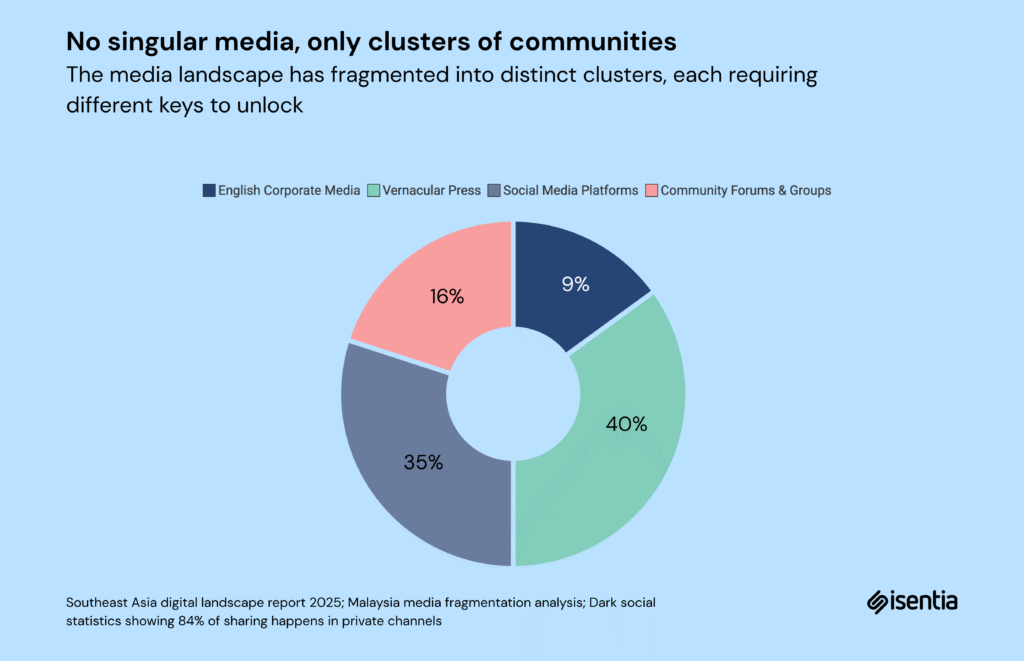
The media should not be treated as a ‘single entity’. There is no singular media anymore. There are only clusters of communities, and our job, as communicators, is to find the keys to unlock each one.
To stay up to date with our latest insights and releases, sign up to our newsletters below:
Content Marketing Executive, APAC
Nikita Gundala manages brand marketing and thought leadership for Pulsar Group across the SEA and ANZ markets. With over three years of first-hand experience in the influencer marketing and PR industries, she specializes in translating real-time insights and audience intelligence into actionable content. Nikita holds a master’s in Marketing and Digital from ESSEC Business School, Singapore. She has contributed to the wider industry conversation by co-authoring articles and reports for The Business Times Marketing Interactive.
Similar articles
Ready to get started?
Get in touch or request a demo.